







Our History
Established on 24 June 1957, Tranby Aboriginal Co-operative is Australia’s oldest independent Aboriginal Community Controlled Organisation. Founded on the belief that education is key to economic empowerment and self-determination, Tranby has grown to become a driving force in community-led learning and social action.
From its earliest days, Tranby has championed social and political activism, fought for Land Rights, campaigned against Black deaths in custody, and supported the 1967 Referendum. Today, Tranby continues to evolve, delivering education and community programs that empower Mob and create lasting change.
Establishment
Australian Board of Missions (ABM) appoints Reverend Alf Clint (pictured) as Director of Co-operatives in Australia and New Guinea. This appointment laid the groundwork for the establishment of Aboriginal co-operative education in Australia.
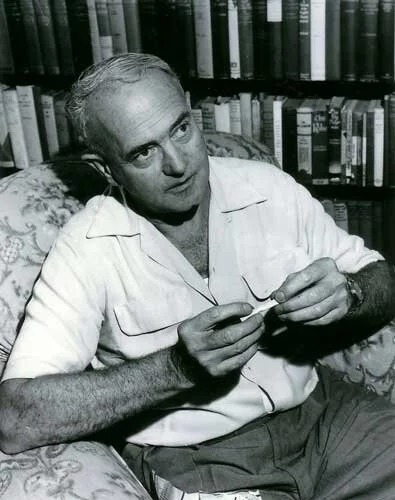
Reverend John Hope of Christchurch St Laurence pledged Tranby to Reverend Alf Clint, an Anglican Bush Brother and human rights activist. He was looking for somewhere to establish a training centre for the development of co-operative practices for Aboriginal peoples. Reverend John Hope said, 'Tell Alf he can have Tranby.' On 24 June 1957, the ABM Christian Community Co-operative Limited (now known as Tranby Aboriginal Co-operative Limited) was established as an Aboriginal residential training school in co-operative practices. Clint was the founder and first Director of the Co-operative.
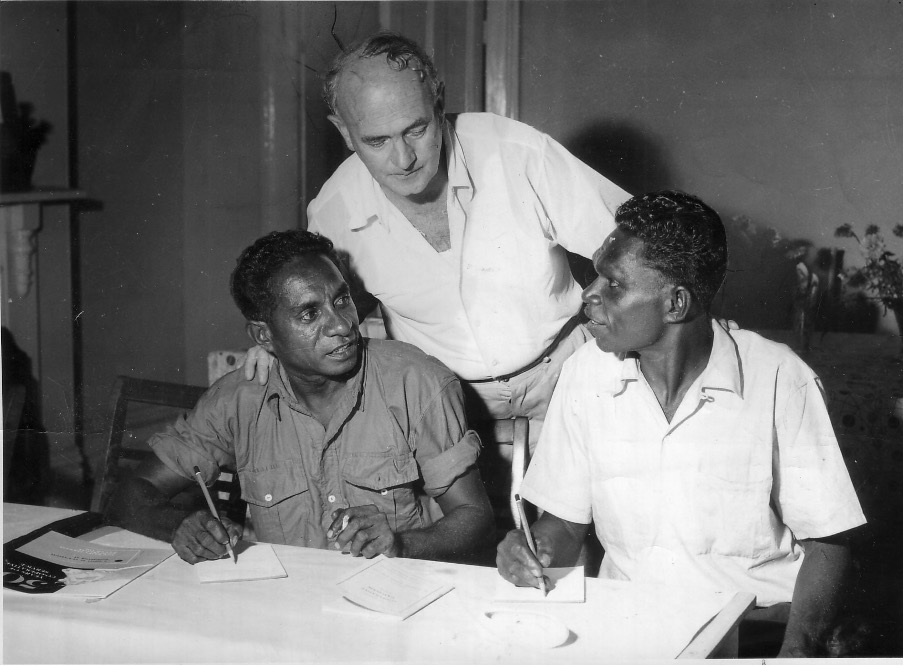
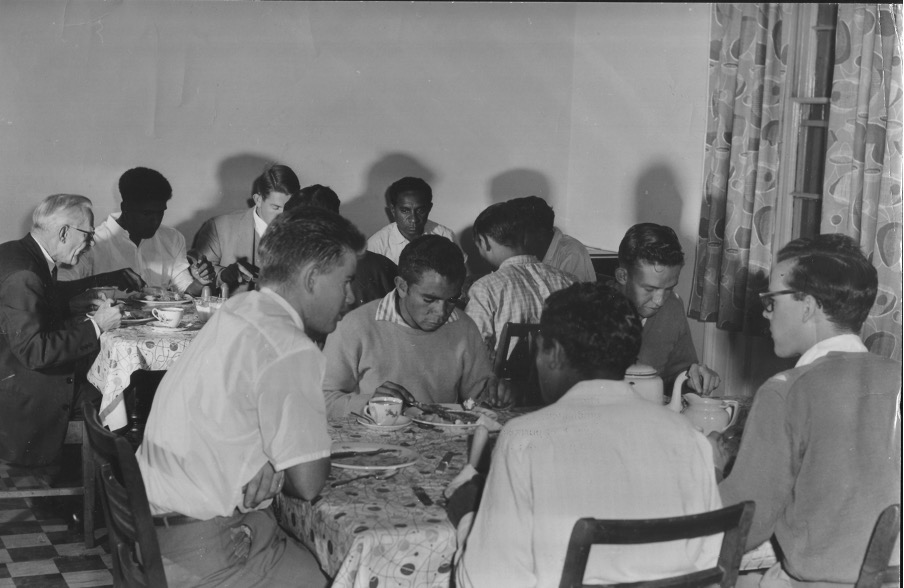
The first cohort of students was enrolled, including apprentices Gerald Ellis, George Ellis and Cecil Bowden from Northern NSW, and students Harry Rokeby and Victor Mocurnbay from Lockhart River, Queensland. The motto ‘working together to live’ was adopted.
First annual co-operative summer school attracted eight participants from Cabbage Tree Island, Woodenbong and Lockhart River.
Early Impact
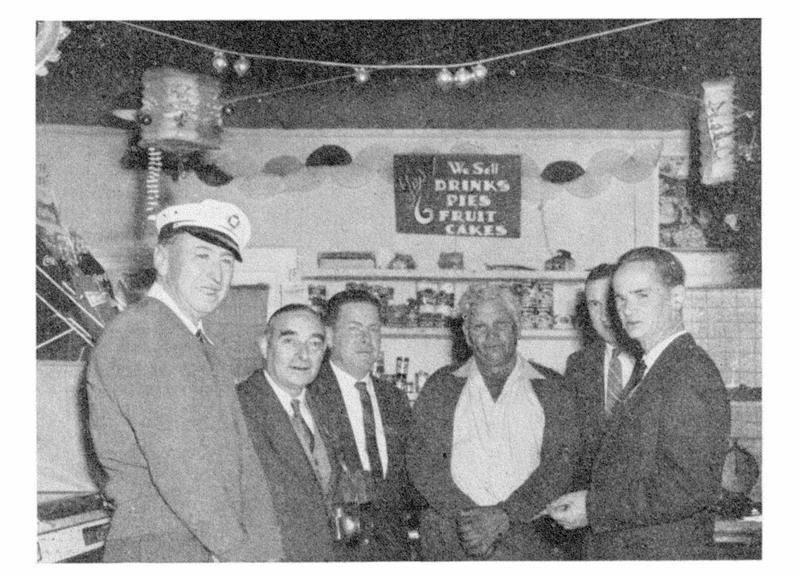
Lectures from the second summer school published. George Ellis became the first Tranby student to complete an apprenticeship.
Name changed to Co-operative for Aborigines Ltd, on 7 September 1962. The co-operative became fully independent with Alf Clint as General Secretary.
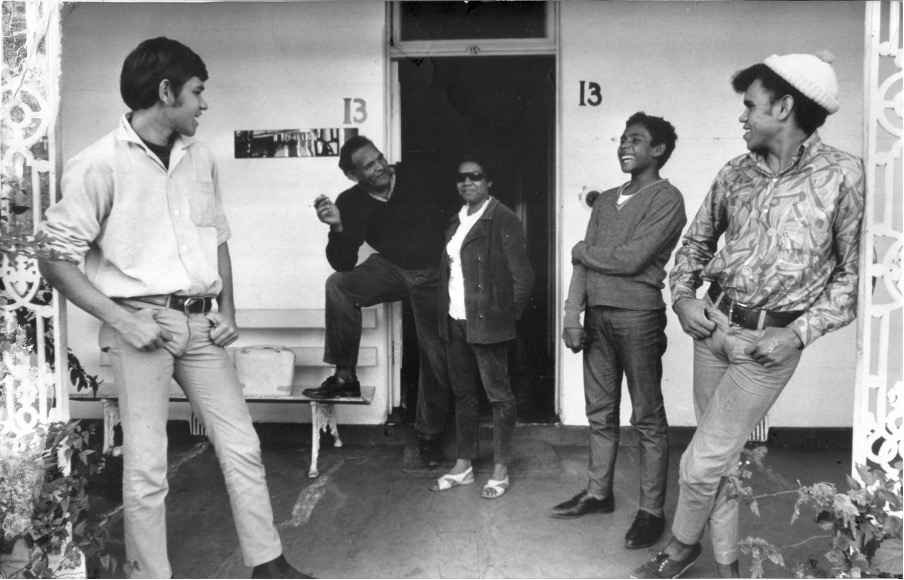
Classes included English, bookkeeping, maths and intermediate examination. Henry Bolt was the first Tranby student to become a member of the Co-operative for Aborigines. Building renovations completed with support from NSW Government, APEX clubs and unions. Charles French awarded UNESCO scholarship to study co-operative practice in Canada and England.
Aboriginal Progress Association (APA) meetings held at Tranby. Jacob Abednego, Nicholas Peterson and Lester Bostock represented Tranby at the sixth Conference for Aboriginal Advancement.
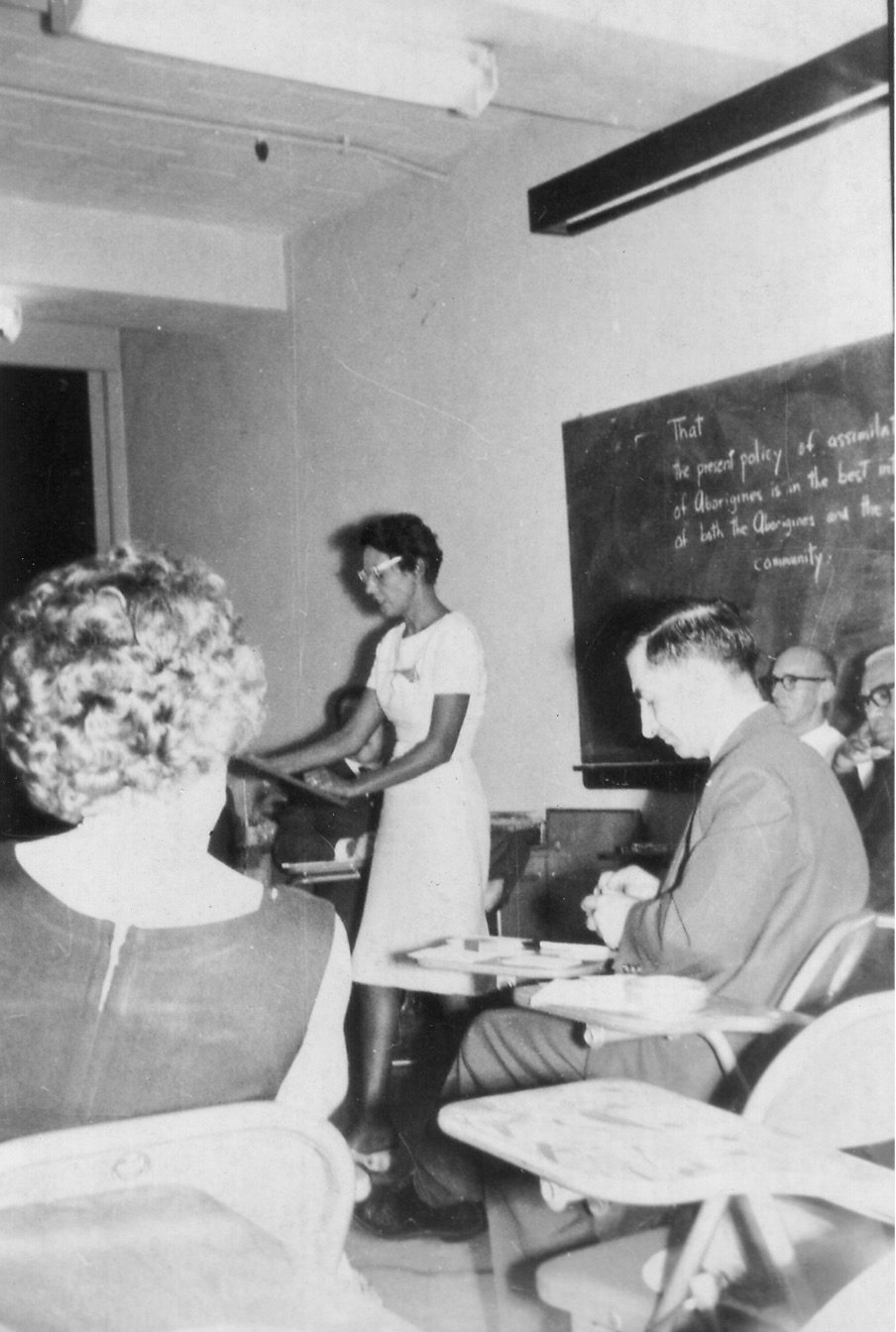
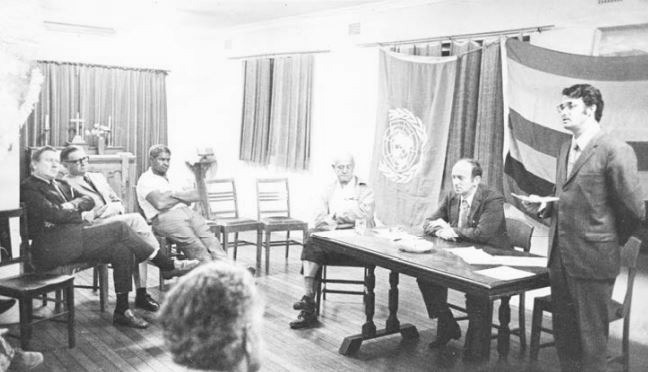
Kath Walker, Doug Nicholls and Alan Duncan won a debate on assimilation against Blacktown Junior Chamber of Commerce at the sixth annual co-operative summer school (pictured).
Tranby collected funds to support Gurindji stockmen on strike at Wave Hill Station. This reflected Tranby’s commitment to social justice and workers’ rights within Aboriginal communities.
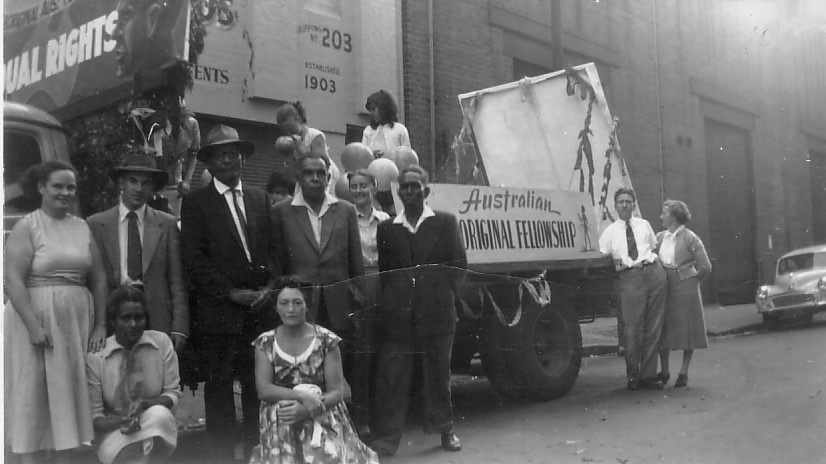
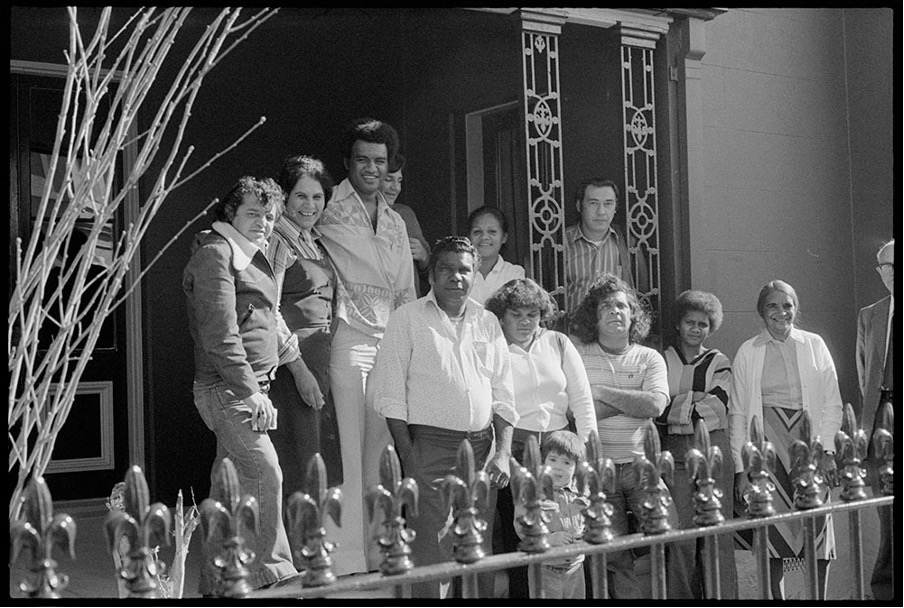
Tranby distributed ‘Vote Yes’ leaflets for the FCAATSI-initiated referendum, in which Australians voted overwhelmingly (over 90 per cent) to amend the Australian Constitution to allow the Commonwealth to make laws for Aboriginal people and include them in the census (pictured). Lester Bostock and Harriet Ellis became the first Aboriginal representatives elected to the Board.
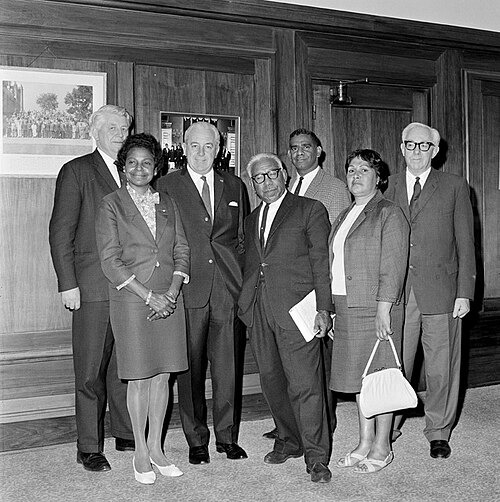
Tranby was represented at FCAATSI land rights conference. Tranby’s participation in national forums highlighted the organisation’s role in advocacy for Aboriginal land and civil rights.
Growing Activism and Influence
Seminar held on Aborigines in industry. Tranby board supports campaigned to abolish trust fund system in Queensland.

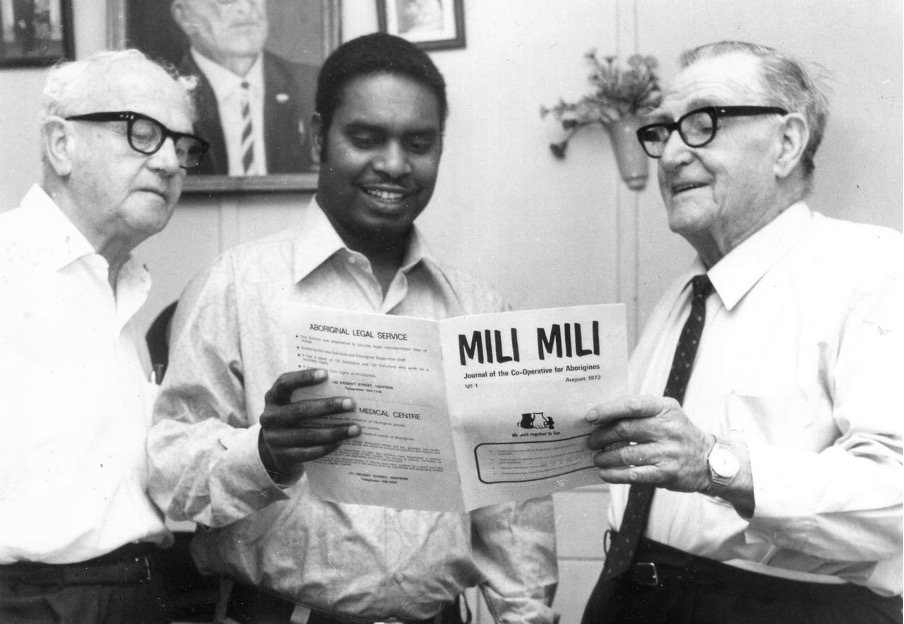
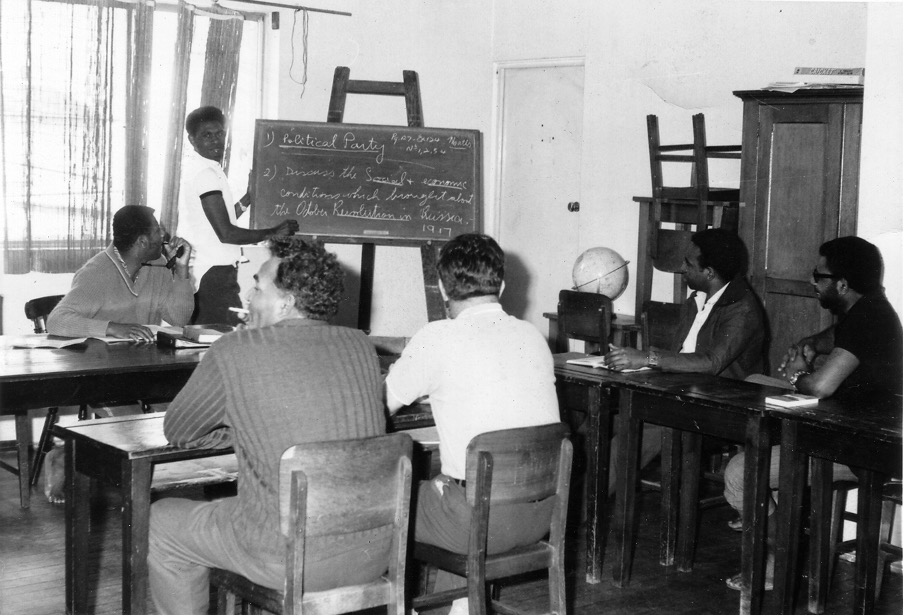
Mili Mili: journal of the Co-operative for Aborigines first published, with 12 issues produced from 1972 to 1977. Covering Tranby-specific events and local Aboriginal initiatives (pictured), it also provided international reports and essays on co-operative endeavours. St Scholastica’s College Glebe provided teaching support.
Cooperative Course at Tranby became an approved course under the Aboriginal Study Grant Scheme. Fifteen Aboriginal co-operatives were operating across NSW, QLD and NT. Claire Combo, Clive Williams and Reverend Alf Clint visited the Soviet Union as guests of the Central Union of Consumer Societies. NSW Department of Education Seminar held at Tranby for ALP politicians.
Eighteen students completed internal and external exams in English, Maths and Co-operative studies. Co-operative Course extended to include work experience in co-operative societies at Cessnock and Kurri Kurri. Tranby board member and former student Kevin 'Cookie' Cook, a Wandandian and Yuin man, first became involved with Tranby this year.
Kevin 'Cookie' Cook represented Tranby in discussions on the NT Aboriginal Land Rights Bill and the Aboriginal and Associations Bill. Tranby became increasingly involved in Indigenous affairs.
ALP Aboriginal Committee invited Tranby to develop an educational policy and the tenth annual art union was drawn by Faith Bandler. The Trade Union Committee on Aboriginal Rights (TUCAR) was established to improve relationships and communications between Aboriginal people and the trade unions. Kevin Cook was committed to working with the trade unions and Tranby was heavily engaged and supported by these groups, including for fundraising and on-the job training programs.
Restoration Appeal launched; ABC filmed ‘Lost Innocence’ at Tranby homestead; Tranby stood with the Gurindji stockmen, opposing mining companies that ‘disregard people’s cultural and historical heritage’. Kevin ‘Cookie’ Cook told the Tribune, ‘A win for the miners is a win for all oppressed people’. The link between trade unions and Aboriginal land rights shaped Tranby’s activism across the 1950s-80s.
'Operation Aborigine’ protest held in Martin Place, Sydney. The Gooriala (Rainbow Serpent) badge was designed by artist Dick Roughsey for the protest and was also used as a creative fundraising strategy for Tranby. Certificates issued to students who successfully completed subjects. The twentieth (and final) Aboriginal Co-operative Summer School held. Permanent Conservation Order placed on Tranby’s buildings, under the 1977 Heritage Act (NSW).
Indigenous Leadership and Education Expansion
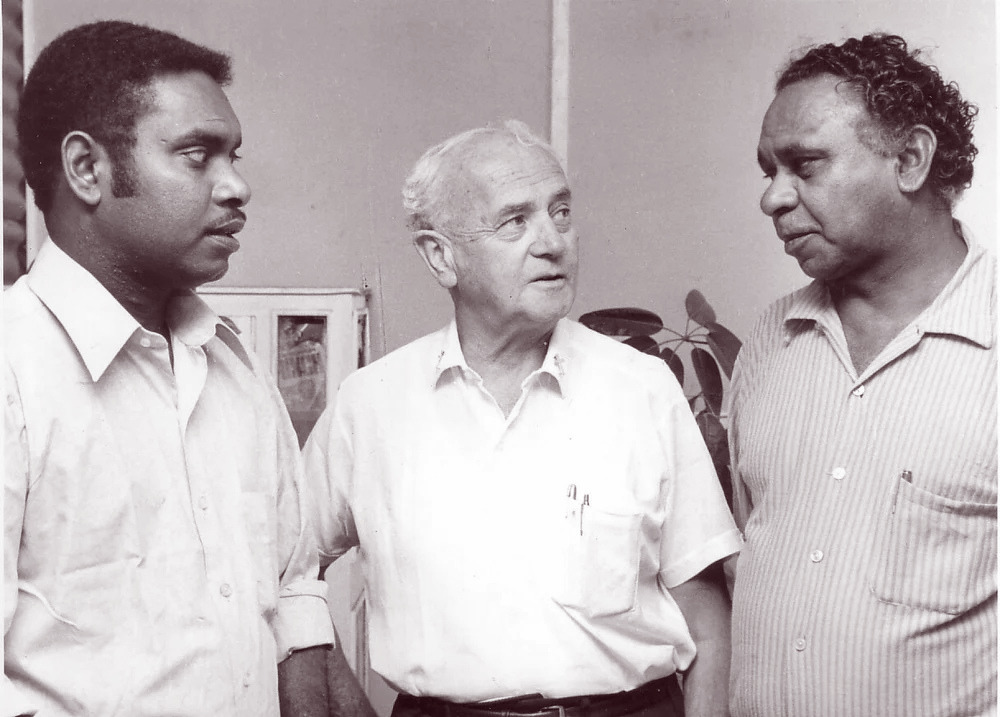
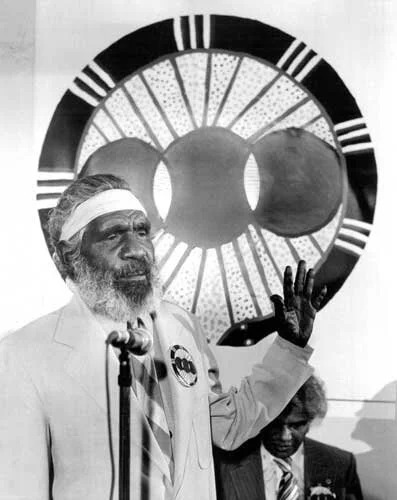
Reverend Alf Clint passed away on 21 April. Kevin 'Cookie' Cook became the Acting General Secretary (pictured). The Board urged Premier Neville Wran to support land rights recommendations of the NSW Parliamentary Select Committee upon Aborigines. Kevin Cook became the chairperson of a fledgling lobby group promoting land rights – NSW Aboriginal Land Council. Aborigines in Unions seminar was run jointly by Tranby and the Trade Union Training Authority.
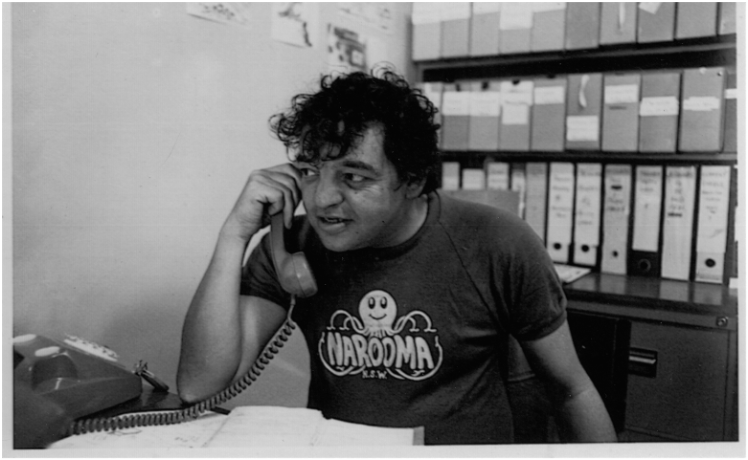
First government funding for education was received; Bob Bellear elected Chairman of Board; government support enabled the expansion of Tranby’s educational programs. Kevin Cook became the first Indigenous secretary of Tranby. Since then, all Tranby secretaries have been Indigenous. Cook built Tranby into a centre for adult learning and cultural revival, a base for land rights activists, and a hub where visitors from around Australia and from across the world could connect with Indigenous communities.
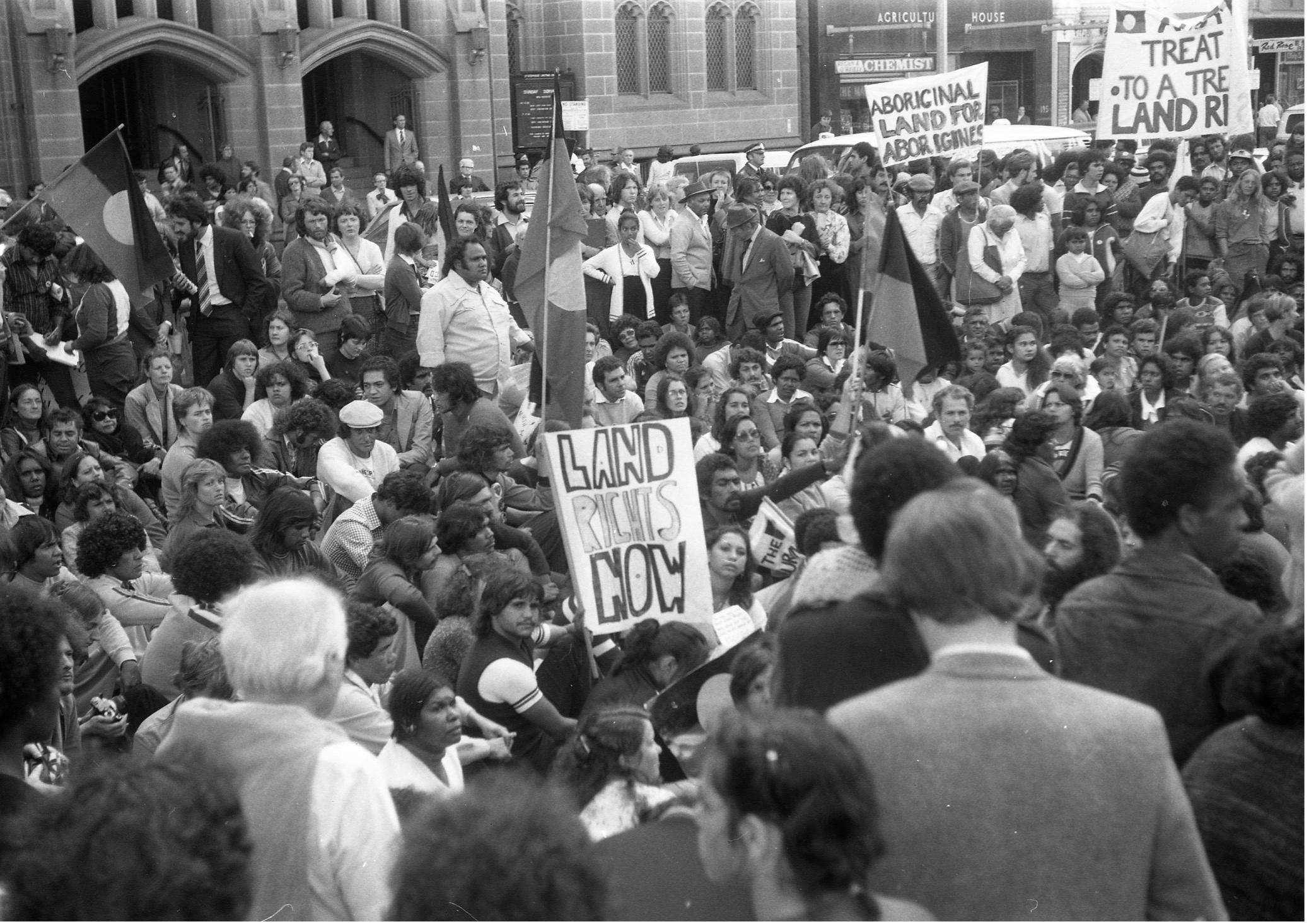
Introduction of the Certificate of Skills Education (literacy and numeracy) and Certificate of General Studies (business studies) courses. The Centre for BlackBooks opened – the first specialist bookshop for Indigenous related books (pictured). Tranby College tree of knowledge logo was sketched by student Billy Wilson.
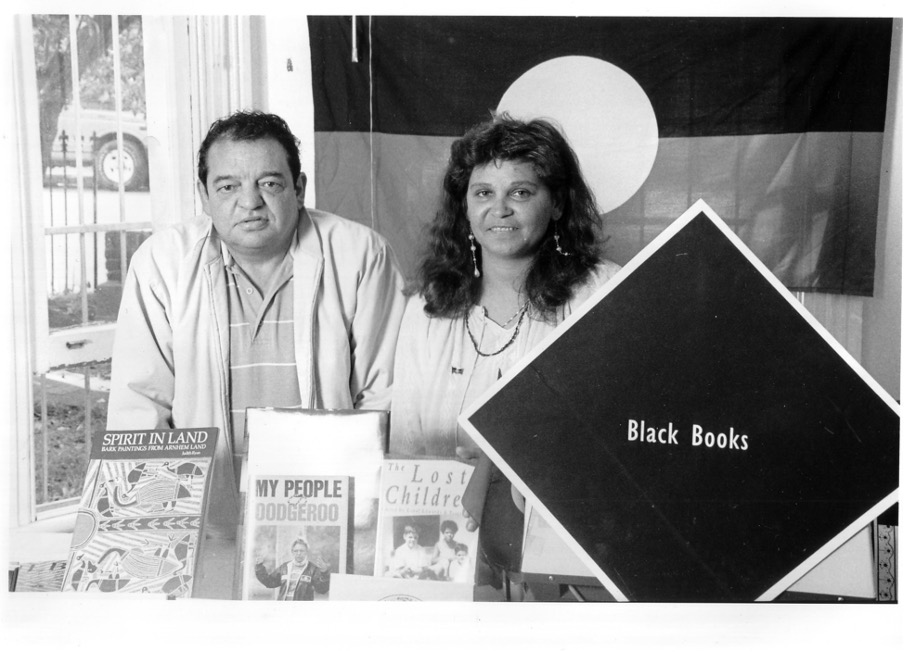
Introduction of the Certificate in Business Studies (pictured) course, replacing the Certificate of General Studies and Tertiary Preparation course. These courses diversified the academic pathways for Aboriginal and Torres Strait Islander adult learners.
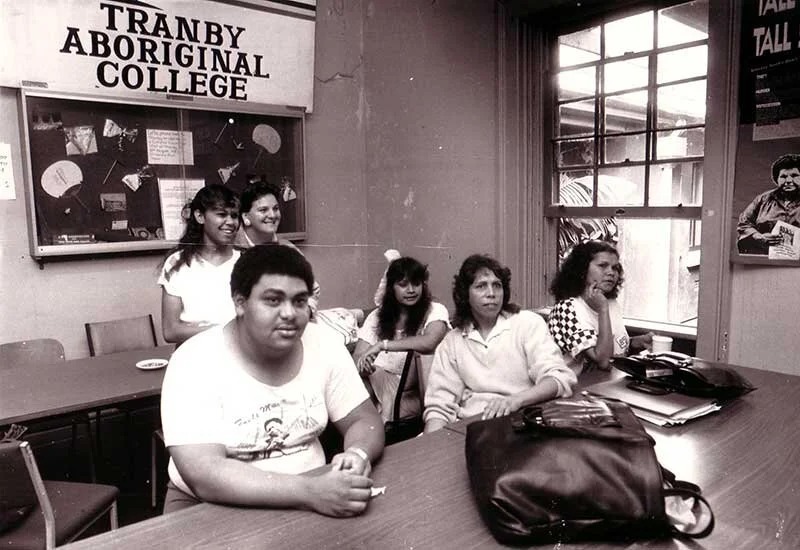
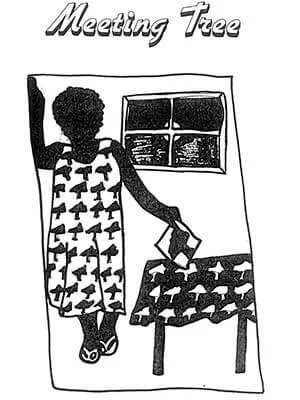
Committee to Defend Black Rights based at Tranby. It was at forefront of the campaign to establish the Royal Commission into Aboriginal Deaths in Custody (Helen Corbett and Rosemary Stack). Tranby became a central venue for advocacy on Aboriginal deaths in custody. The first newsletter, The Meeting Tree was produced by students and staff (pictured).
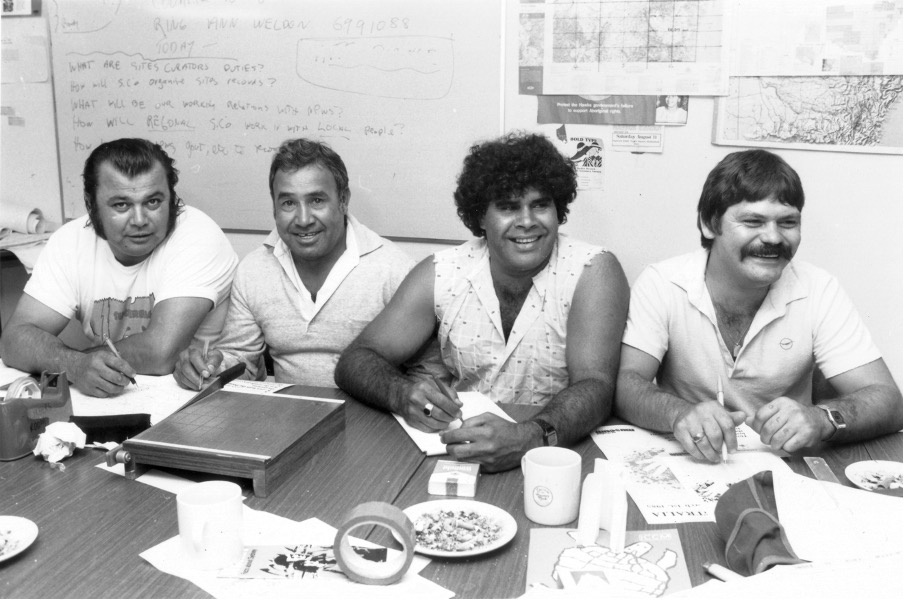
Introduction of the Aboriginal Sites Curators Course for trainees with Regional Aboriginal Land Councils in NSW. Students and staff participated in land rights demonstrations opposing Government's Preferred National land Rights Model. Students and staff worked with Koori prisoners at Long Bay Gaol on creative writing. Former student Lester Bostock became a media studies teacher. Tranby supported the South African struggle with visits from Oliver Tambo (National African Congress) and Johnson Mlambo (Pan African Congress).
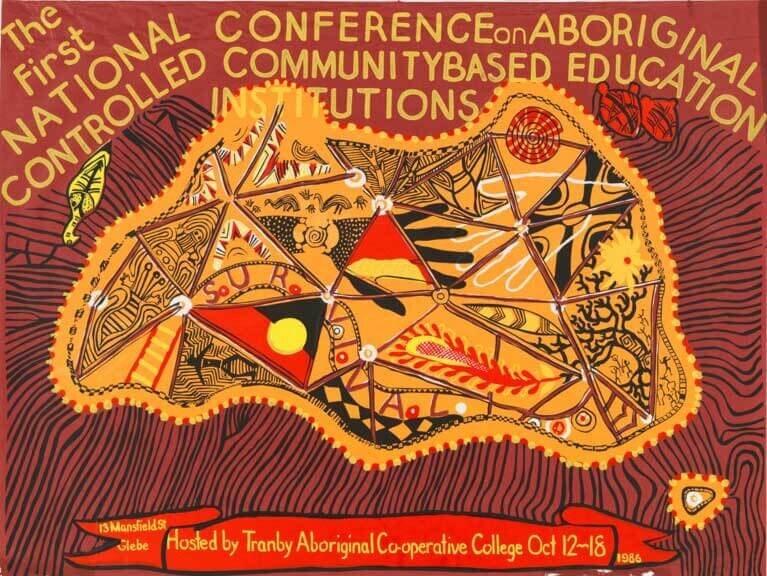
Tranby hosted the First National Conference of Independent, Aboriginal-Controlled, Community-Based Educational Institutions at the Tranby campus on Gadigal Country, Glebe. Tranby had established itself as an important meeting place, supporting other organisations and sparking ideas for social change. Tranby conducted management training for Aboriginal Land Councils. Students took a study trip to the Torres Strait Islands.
Tranby purchased Minumurra and adjoining building. The expansion of Tranby's campus reflected Tranby’s need for growing infrastructure to support education and community engagement.
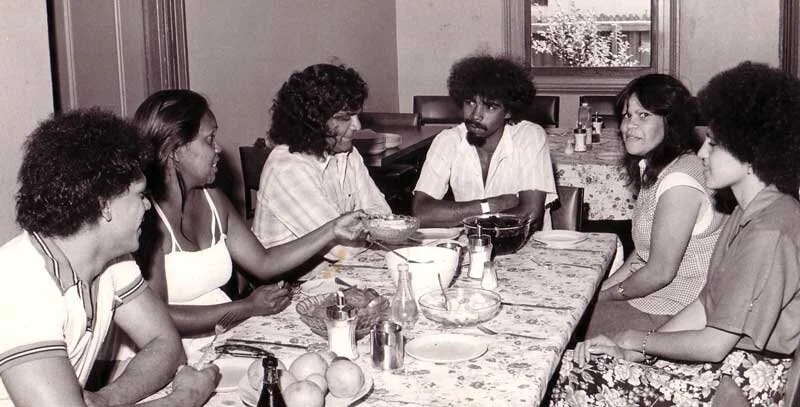
Aboriginal Development Unit (ADU) established to conduct training for Aboriginal organisations. Tranby was the main convenor of the Bicentennial protest actions. Tranby participated in the Building Bridges project where rock bands collaborated with the National Coalition of Aboriginal Organisations to raise awareness of Aboriginal issues.
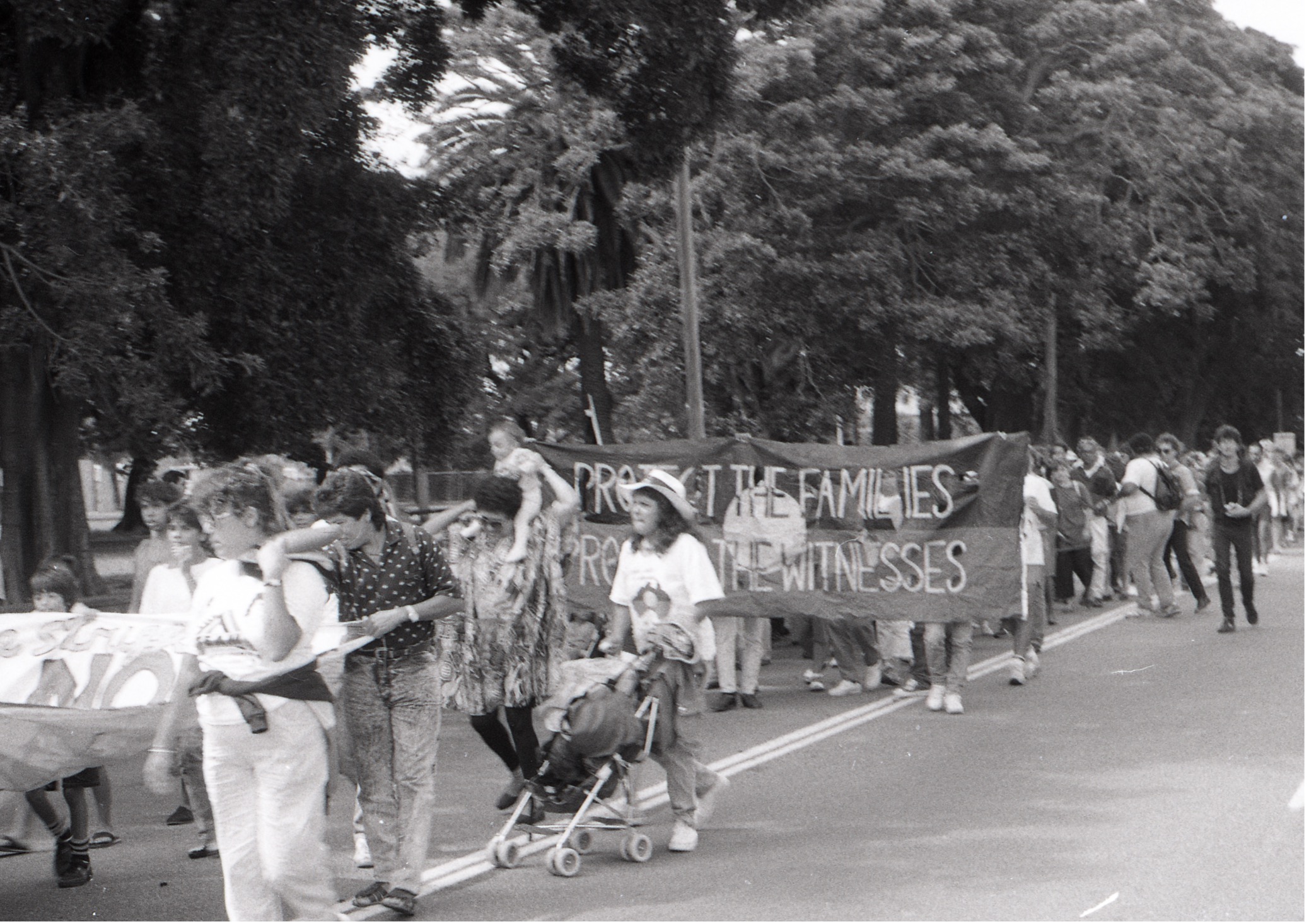
Introduced of the Certificate of Adult Foundation (CABE) course. The Board supported the ‘Save Jervis Bay’ campaign and endorsed calls for the area to become a national park. Tranby reinforced its dual commitment to education and environmental-cultural advocacy. Tranby was active in the Black deaths in custody protests of the 1980s and continued supporting communities after the 1988 Royal Commission through workshops and legal education. This work led to the legal studies course that now exists as the Diploma of Aboriginal and Torres Strait Islander Legal Advocacy.
Growth and Institutional Recognition
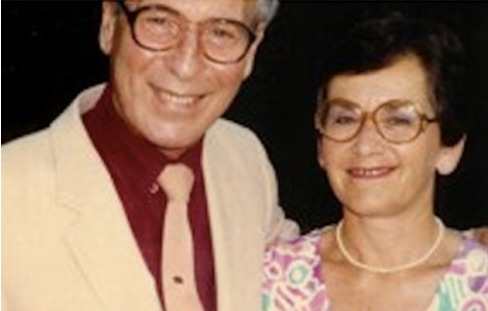
Rona Tranby Trust launched on 2 September, to support the recording and preservation of Indigenous Australian oral history. It was established with a bequest from Jewish social activists Tom and Eva Rona for oral history projects.
Student field trips to Thursday Island (BSC), Grampian Mountains (CABE) and Alice Strings (TEPC). ADU workshops in the development of ATSIC Regional Plan.
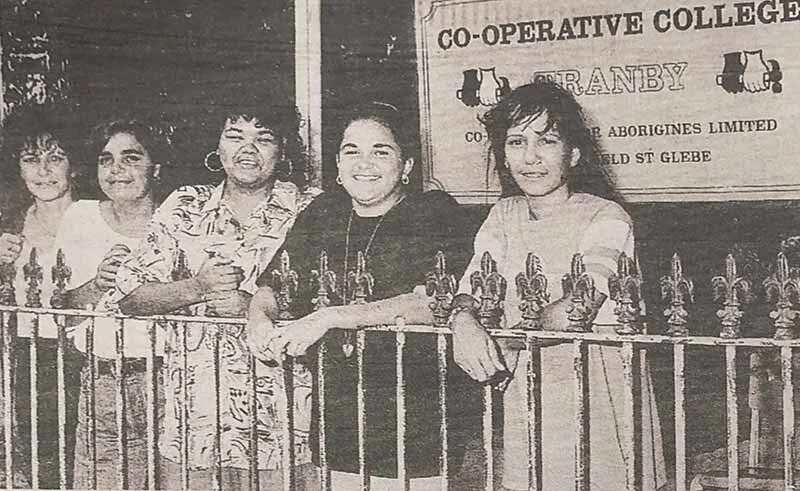
Launch of Friends of Tranby (FoT) and the Five by Five Scheme at the Phoenician Club; launch of the Federation of Independent Aboriginal Education Providers (FIAEP). The NSW Heritage Council approved plans for new classrooms. Honorary doctorates were awarded to community leaders, Isabel Flick, Beryl Carmichael, Sylvia Scott, Kevin Cook, Chicka Dixon and Gary Foley.
The Certificate in Small Business Studies was introduced. Russell Young awarded the NSW Aboriginal Scholar of The Year award at NSW Parliament. ADU conducted workshops in Aboriginal deaths in custody monitoring. Honorary doctorates awarded to community leaders, Nan Campbell, Joyce Williams, Joe Flick and Bob Bellear.
Temporary premises established for teachers and students at Montieth, Glebe Point Road. Three staff members attended World Indigenous Peoples Conference (WIPCE) at Albuquerque, Canada. Students took a field trip to Goodooga. Heather Goodall's Invasion to Embassy was co-published by BlackBooks. The Evatt Foundation Scholarship was awarded to Peter Powers. An Open Scholarship was awarded to Russell Young and Fiona Smith. Bob Maza appointed Assistant Director of Studies. Honorary doctorates awarded to community leaders, Joe McGinness and Rose Fernando.
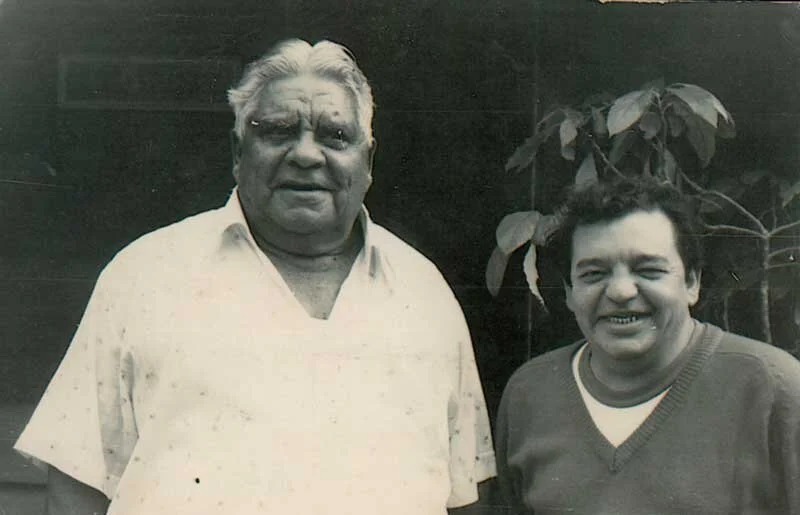
Introduction of the Diploma of National Indigenous Legal Studies and Diploma in Development Studies - Aboriginal Communities. FoT art exhibition held at Sherman Hargrave Gallery, raising $15,000. A student exhibition of decorative masks held at Glebe Public School and the Australian Museum. ADU conducted conflict resolution workshops throughout NSW. Honorary doctorates awarded to community leaders Maude Wright and Merle Latham.
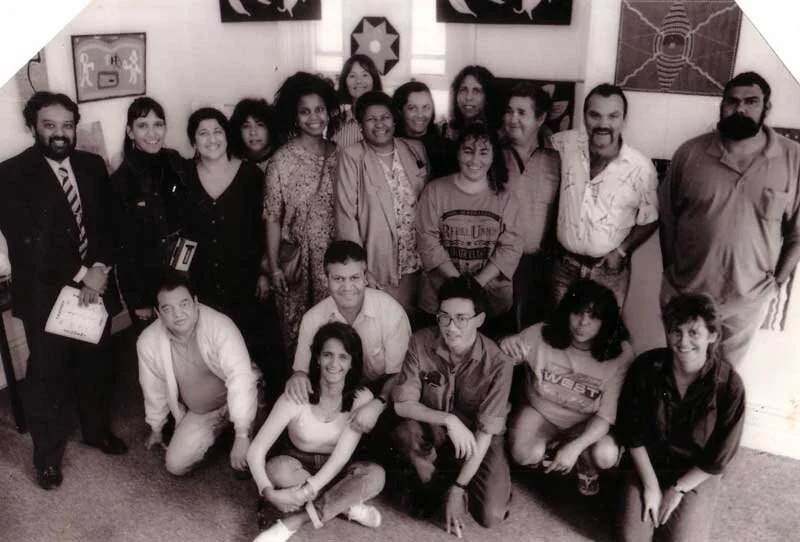
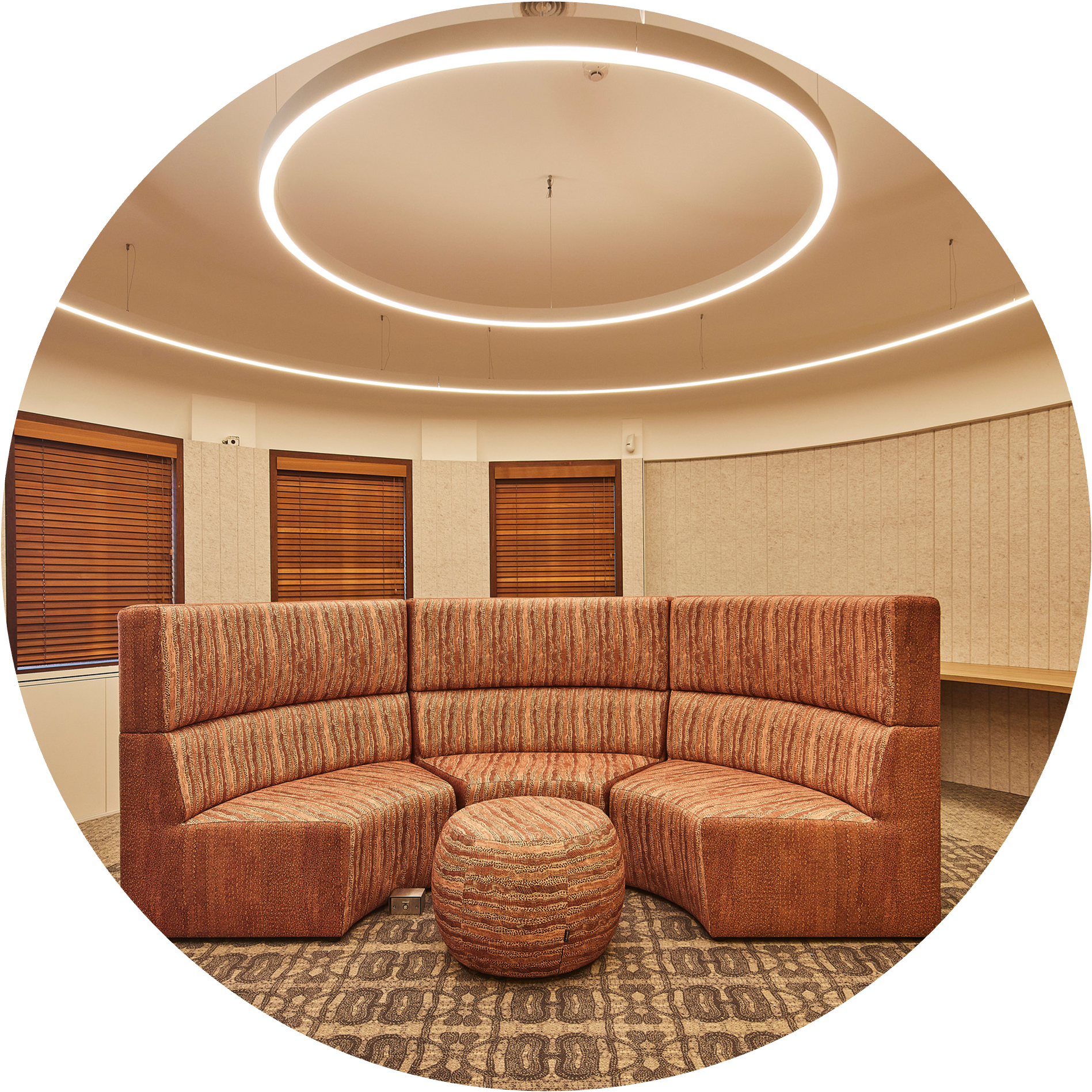
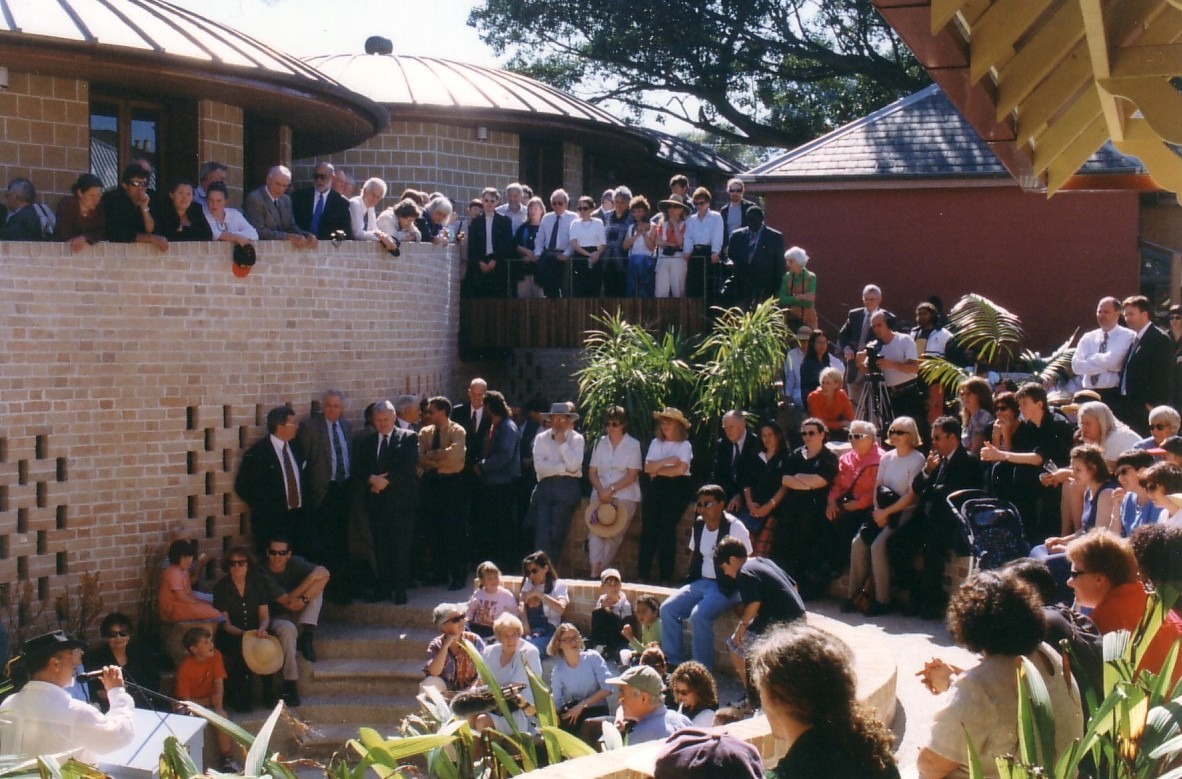
Introduction of the Advanced Diploma of Applied Aboriginal Studies. Inauguration of New ‘Buildings Out the Back’ – a collaboration between Tranby and architects Cracknell and Lonergan, with a design in sympathy with Glebe’s Victorian character and circular rooms reflecting Indigenous learning circle practices (1988 opening of the new buildings pictured). National Sorry Day commemoration lunch held at Tranby. Tranby fielded a team under George Jones at the Knock-Out. Isabel Flick received The Rona Tranby Oral History Award. Jack Beetson became Tranby’s Executive Director.
Kevin Cook honoured by the Human Rights Commission list of 50 Eminent Australians. Launch of Tranby Interpretative Walk commemorating the building's Aboriginal cultural significance. Exhibition of artwork by Chris Christophersen inspired by her participation in the Mirrar people's campaign against ERA's Jabiluka uranium mine. Minto Bush Camp was purchased from the SEARCH Foundation. First intake of non-Indigenous students into the Advanced Diploma of Applied Aboriginal Studies. Michael Dodson was the keynote speaker at the FoT annual dinner.
National Reach and Program Expansion
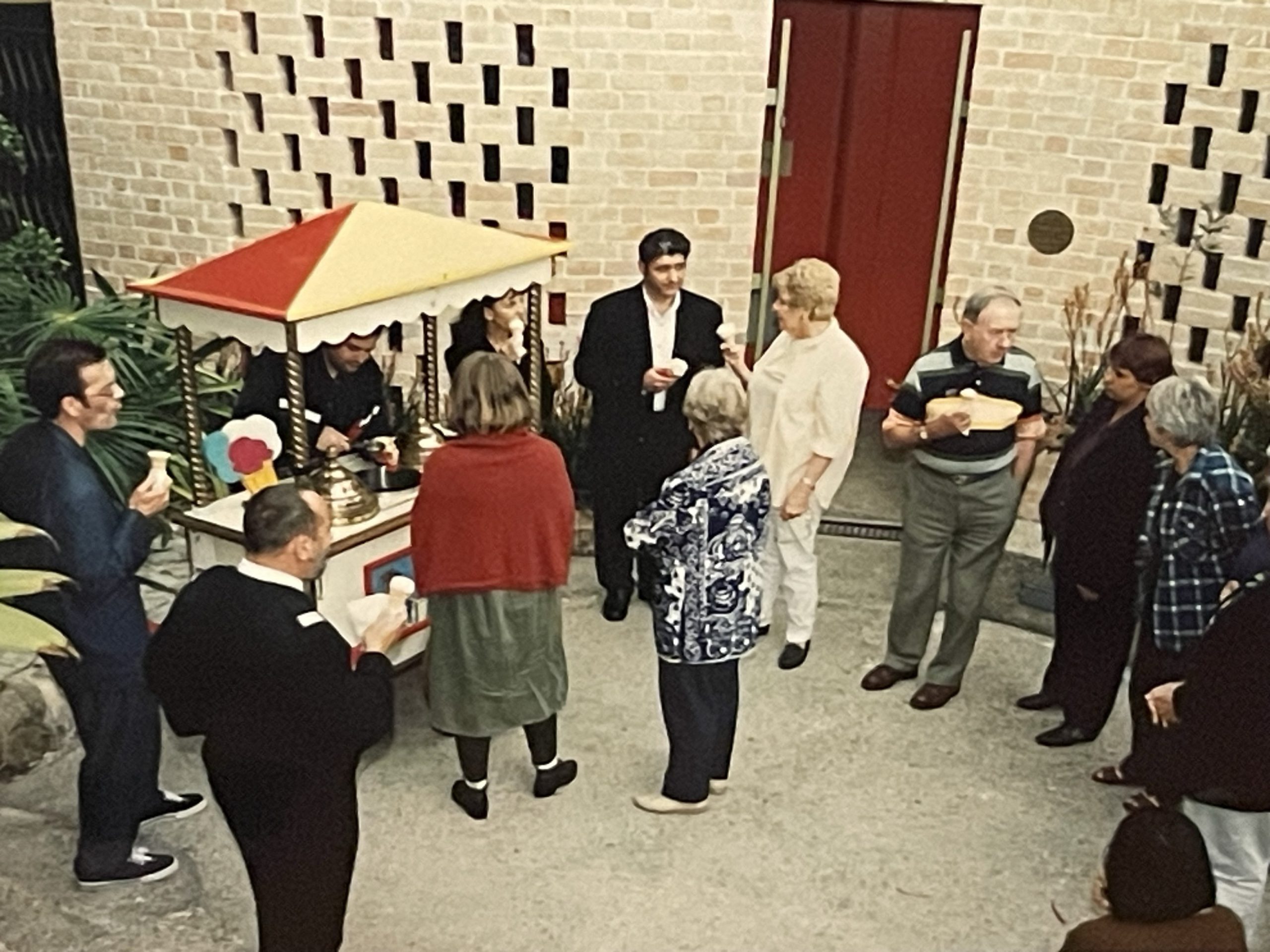
Installation of Tranby’s computer network with support from FoT. Grant from NSW Centenary of Federation for preservation of the Alf Clint archive papers. Tranby hosted a ceremony of reconciliation at which Pat Dodson accepted an Aboriginal king plate for return to the Narunjin people of Western Australia. Tranby and Luigi De Luca distributed Boomeralia bush tucker gelato to visitors during the Olympics (pictured).
National Indigenous Legal Studies field trip to Kalgoolie. Judge Bob Bellear was the keynote speaker at the FoT dinner. Tranby participated on the Black White and Pink – Sweeties for a Treaty Float at Mardi Gras festival.
BlackBooks celebrated its twentieth birthday. Honorary doctorates awarded to community leaders Justine Saunders and Bruce McGuiness.
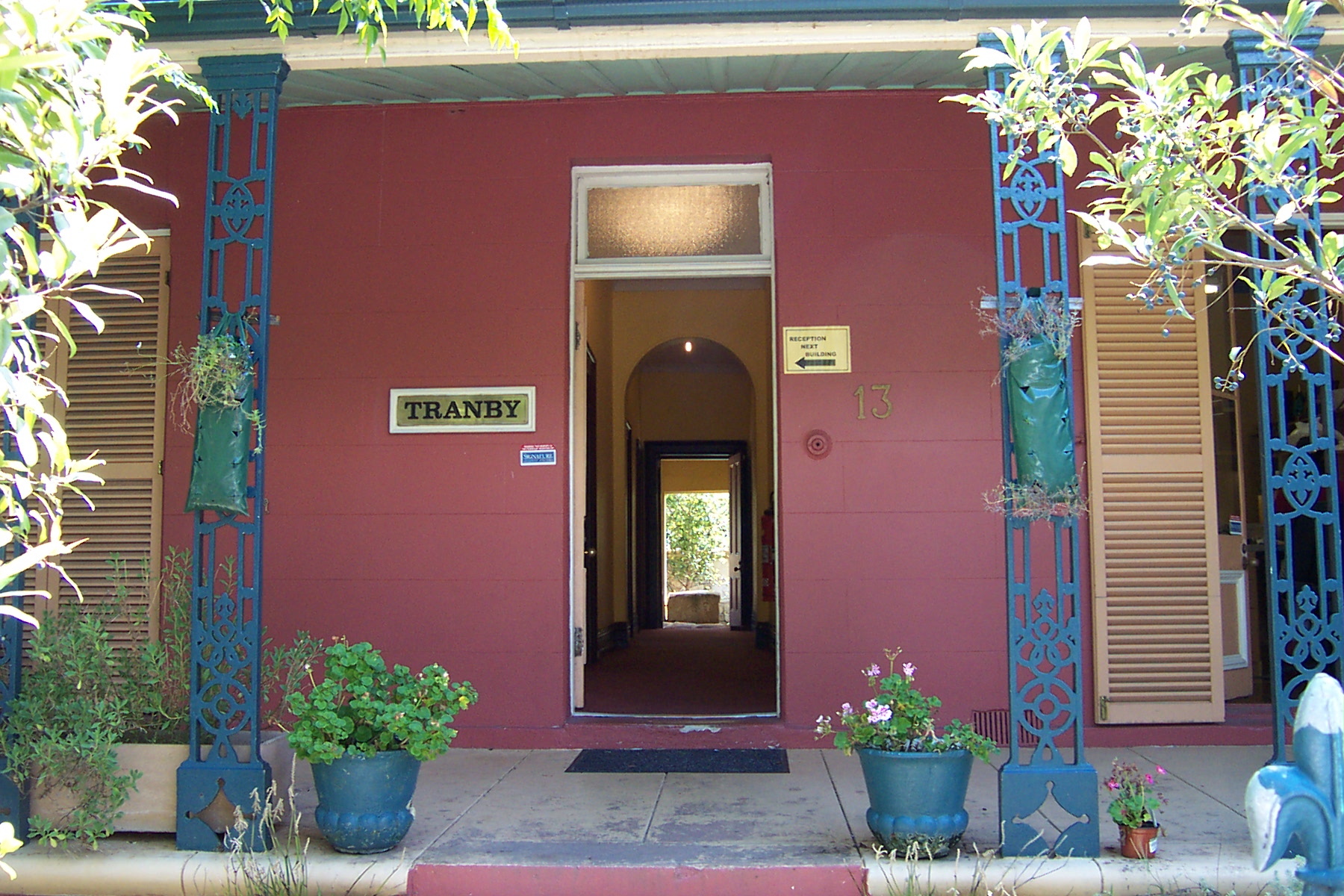
Oomera Edwards became the acting Executive Director, Tranby won the Deadlys award for Outstanding Achievement in Aboriginal and Torres Strait Islander Education.
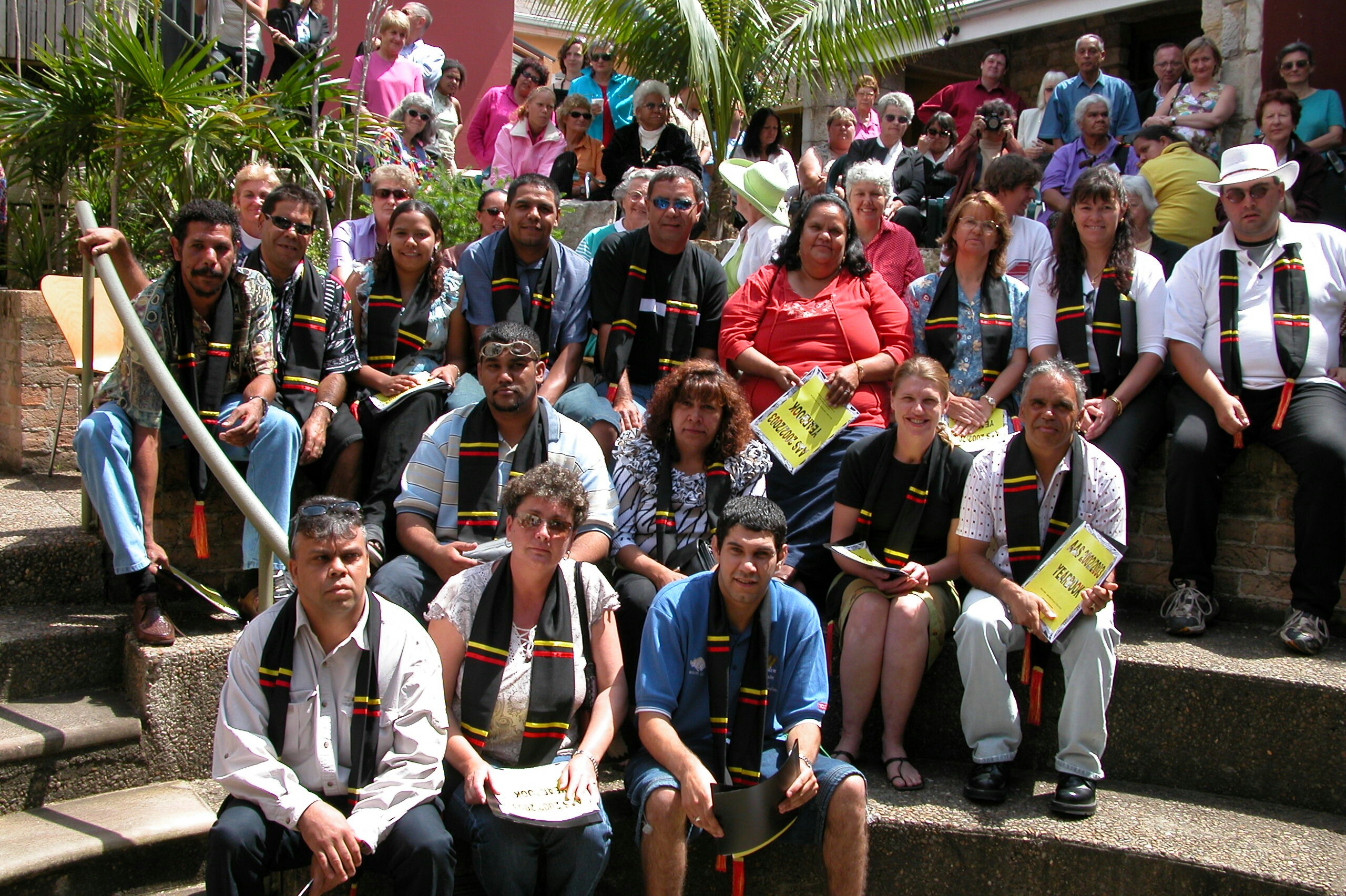
Paul Knight appointed Executive Director. An arts festival was hosted at Tranby.
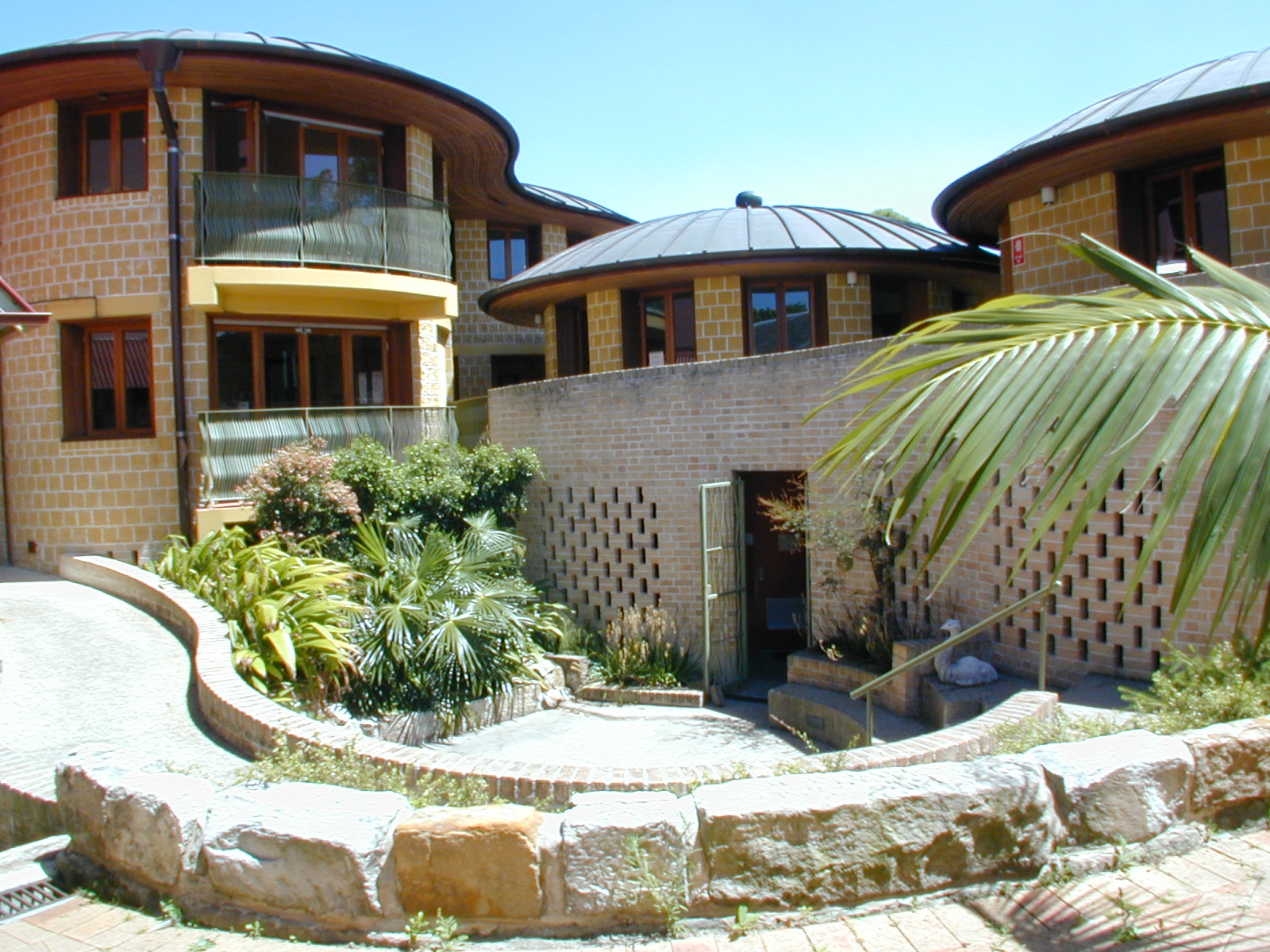
Tranby celebrated 50 years of providing adult Indigenous education, with 100 students enrolled that year in an expanded number of courses. Introduction of the Diploma of Governance (Indigenous Organisations) course.
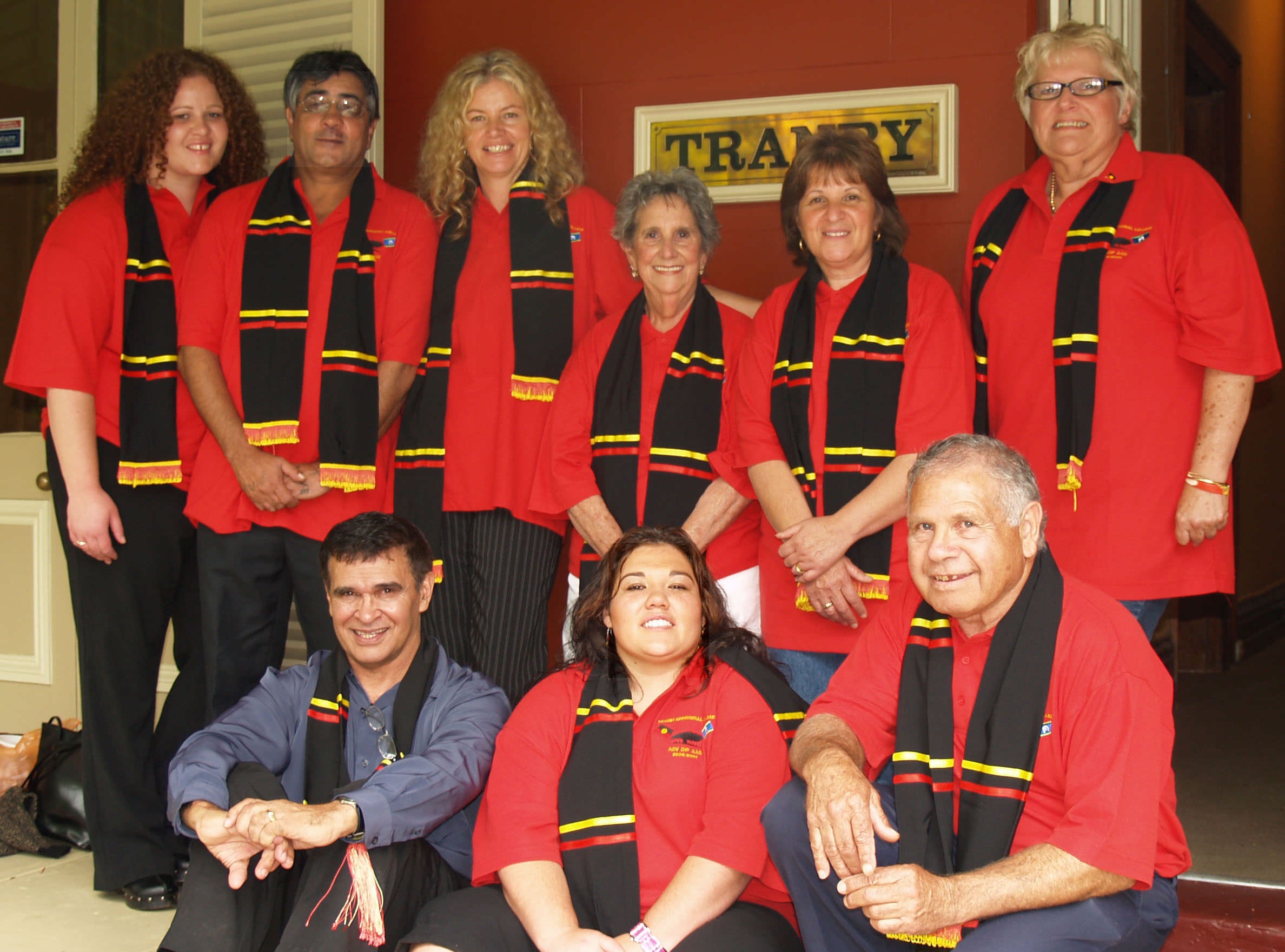
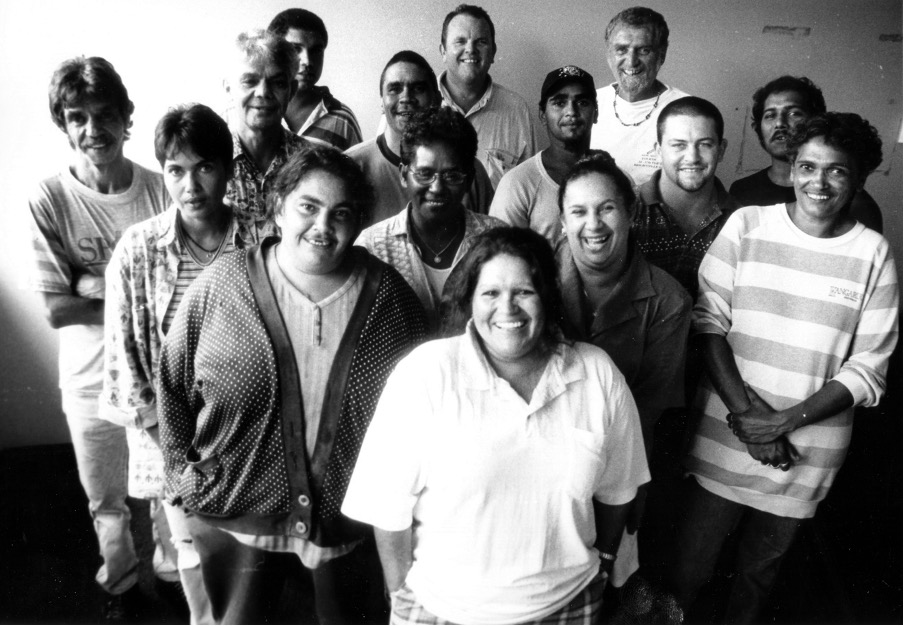
Lindon Coombs appointed Executive Director; introduction of the Certificate II in Business and Certificate III in Business Administration and Literacy and Numeracy. Albert Williams received The Rona Tranby Oral History Award (pictured).
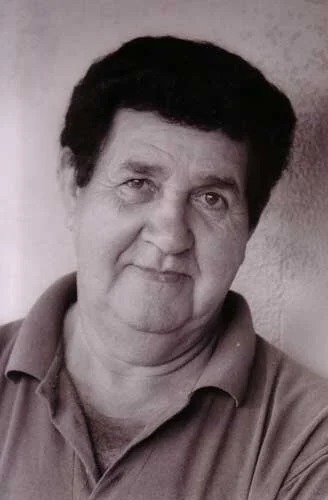
Cultural Exchange and Modernisation
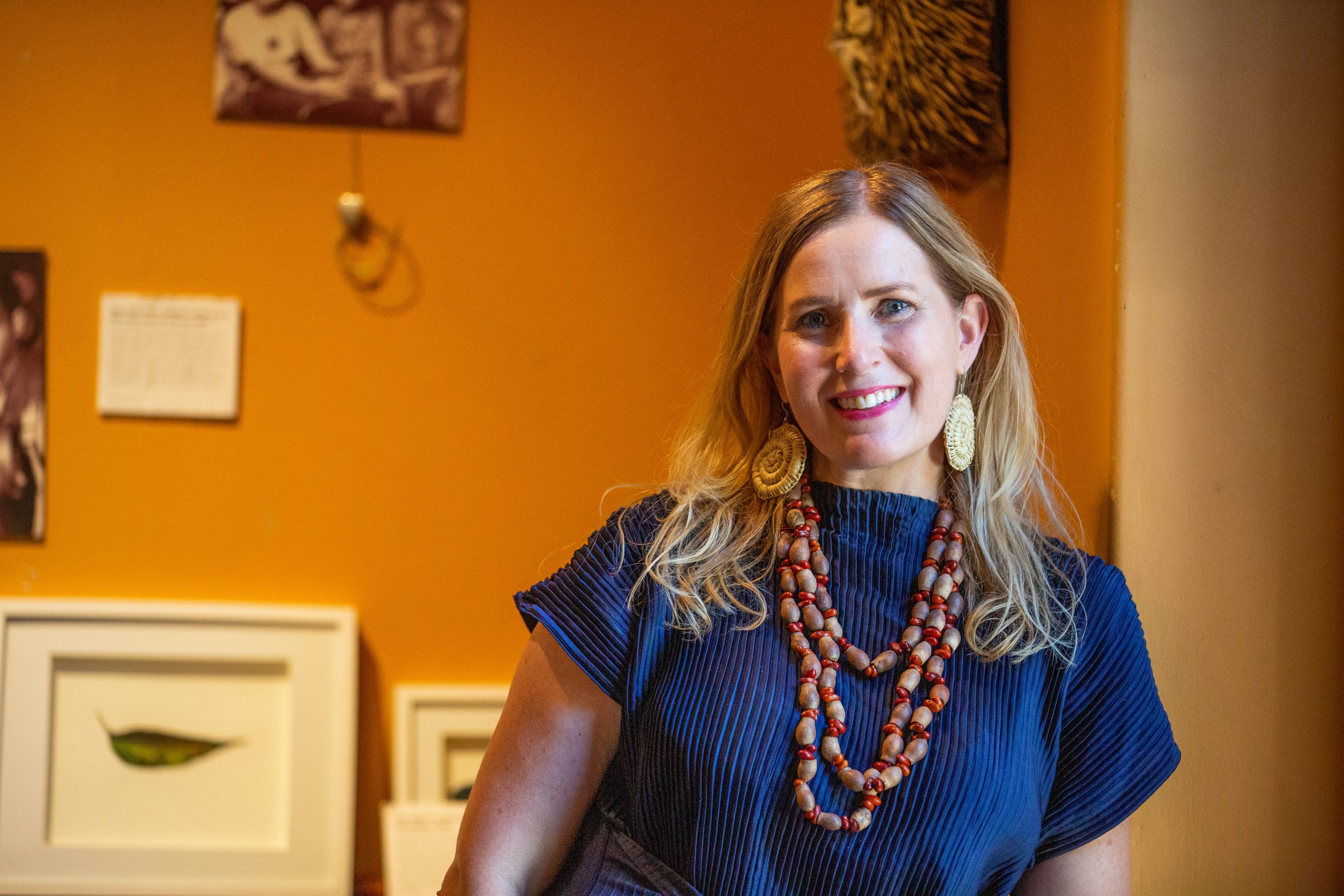
Dr Belinda Russon, a proud Yugambeh woman, appointed Executive Director of Tranby.
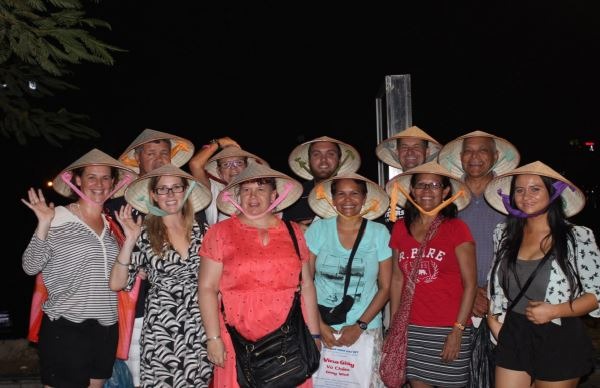
Ten students from Tranby undertook a seven-day cultural and research tour of China and Vietnam, funded by the Federal Government's AsiaBound program – the first tour ever undertaken by Tranby students.
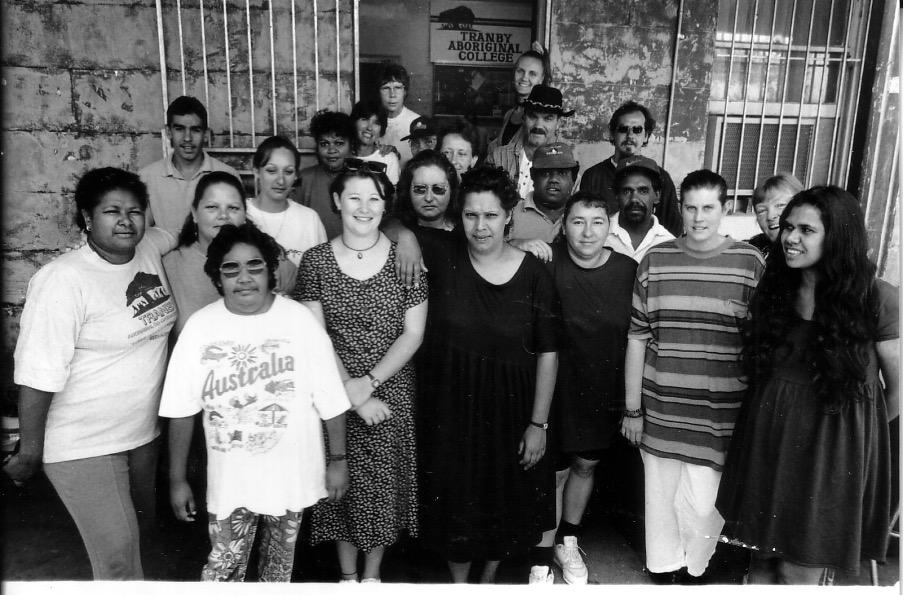
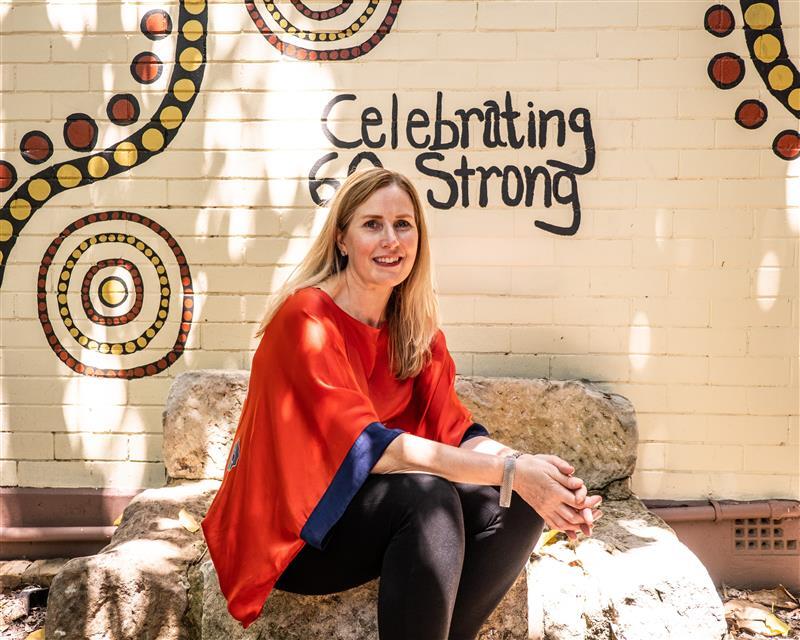
Kevin Cook passed away and the Community lost a long-term leader, friend and mentor. Tranby’s Registered Training Organisation (RTO) was renamed to better reflect the essence of our work: providing quality education and training to Aboriginal and Torres Strait Islander adults across Australia. As part of this evolution, Tranby Aboriginal College became Tranby National Indigenous Adult Education and Training, while the organisation itself continued to operate under the official name Cooperative for Aborigines Limited.
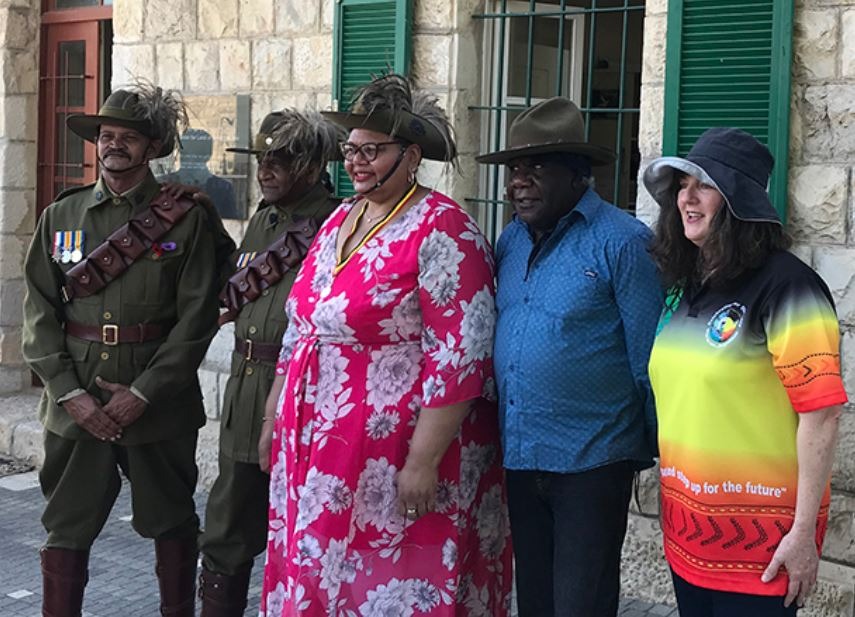
The Rona Tranby Trust funded descendants of Aboriginal and Torres Strait Islander members of the Australian Light Horse to travel to Israel to take part in the Australian National Service to Commemorate the Centenary of the Battle of Beersheba and the Sinai-Palestine Campaign at Beersheba. For the first time in 100 years, in the presence of the Prime Ministers of Australia and Israel, many other dignitaries, international visitors and the local community, a wreath was laid by an Indigenous representative at the formal ceremony in honour of Indigenous servicemen who fought in the campaign.
Innovation and Digital Transformation
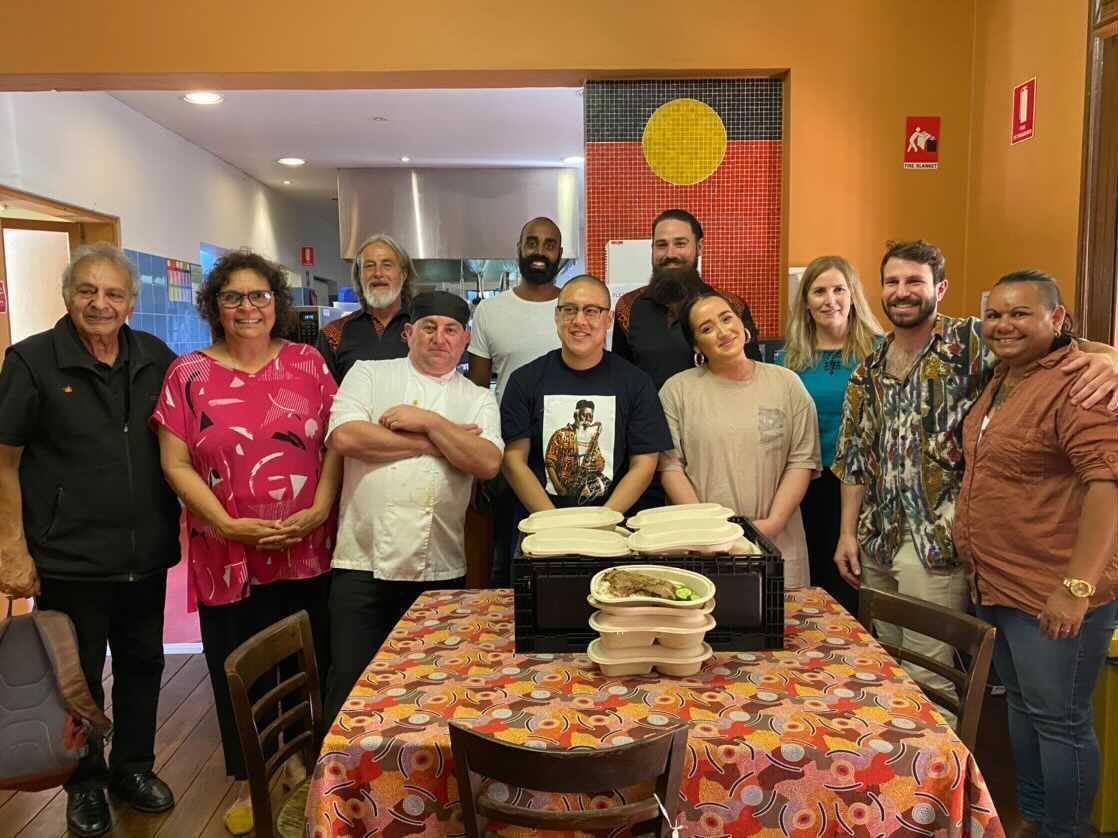
Tranby courses were delivered online for the first time due to the COVID-19 pandemic, with a virtual 'yarning circle' format implemented. This allowed students across Australia to stay connected and continue cultural learning during restrictions.
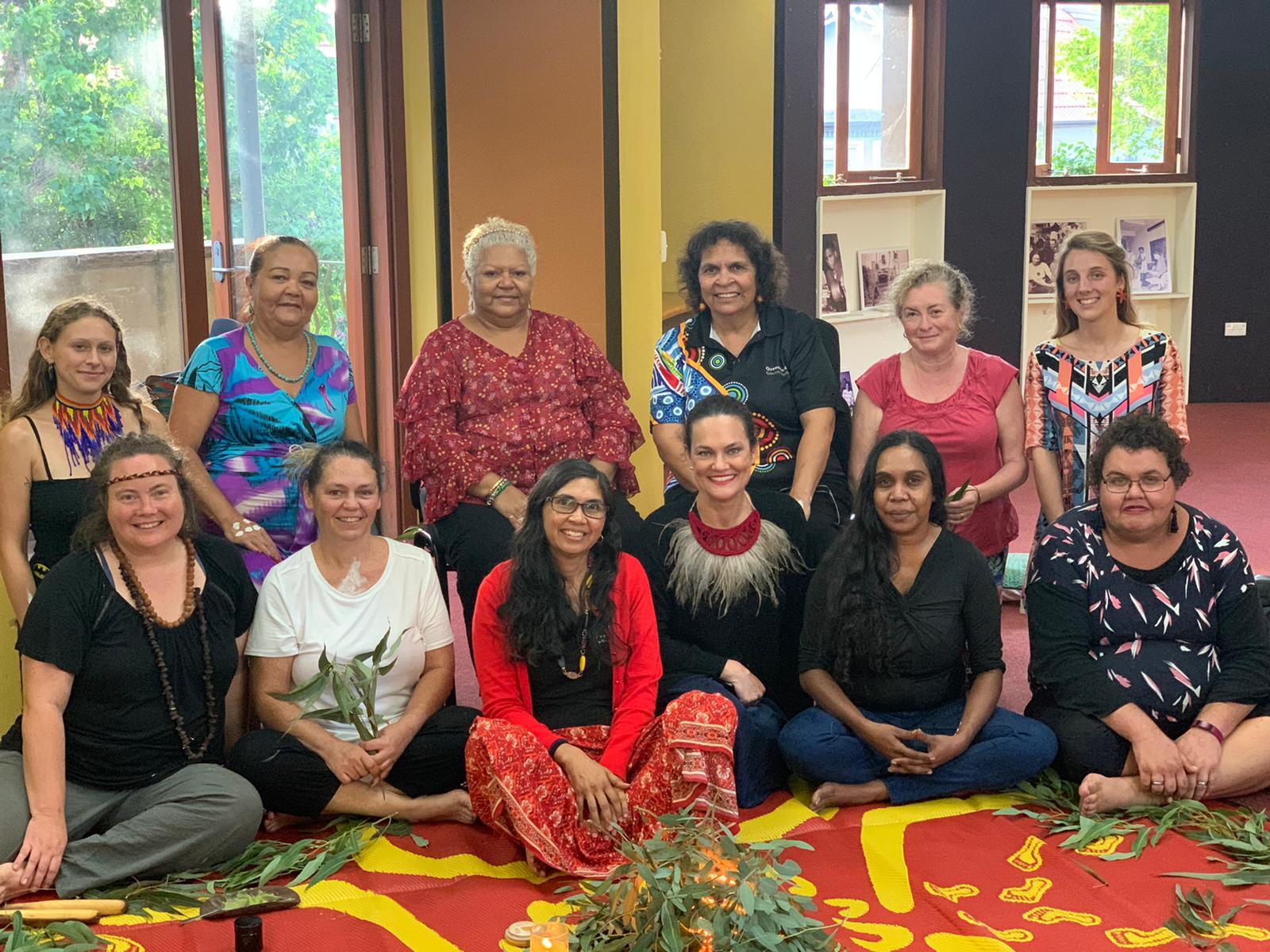
Tranby launched the Yanalangami: Strong Women, Strong Communities program, a leadership and empowerment program for Aboriginal and Torres Strait Islander women. The program emerged from a healing circle where local women voiced a need for more culturally safe spaces to realise their dreams of positive change within community.
BlackBooks re-launched as a social enterprise with profits going into Aboriginal community-controlled education and community development programs. This revitalisation ensured continued support for culturally significant learning resources. Tranby as a whole was officially renamed from Cooperative for Aborigines Limited to Tranby Aboriginal Co-operative Limited, on 27 January 2022.
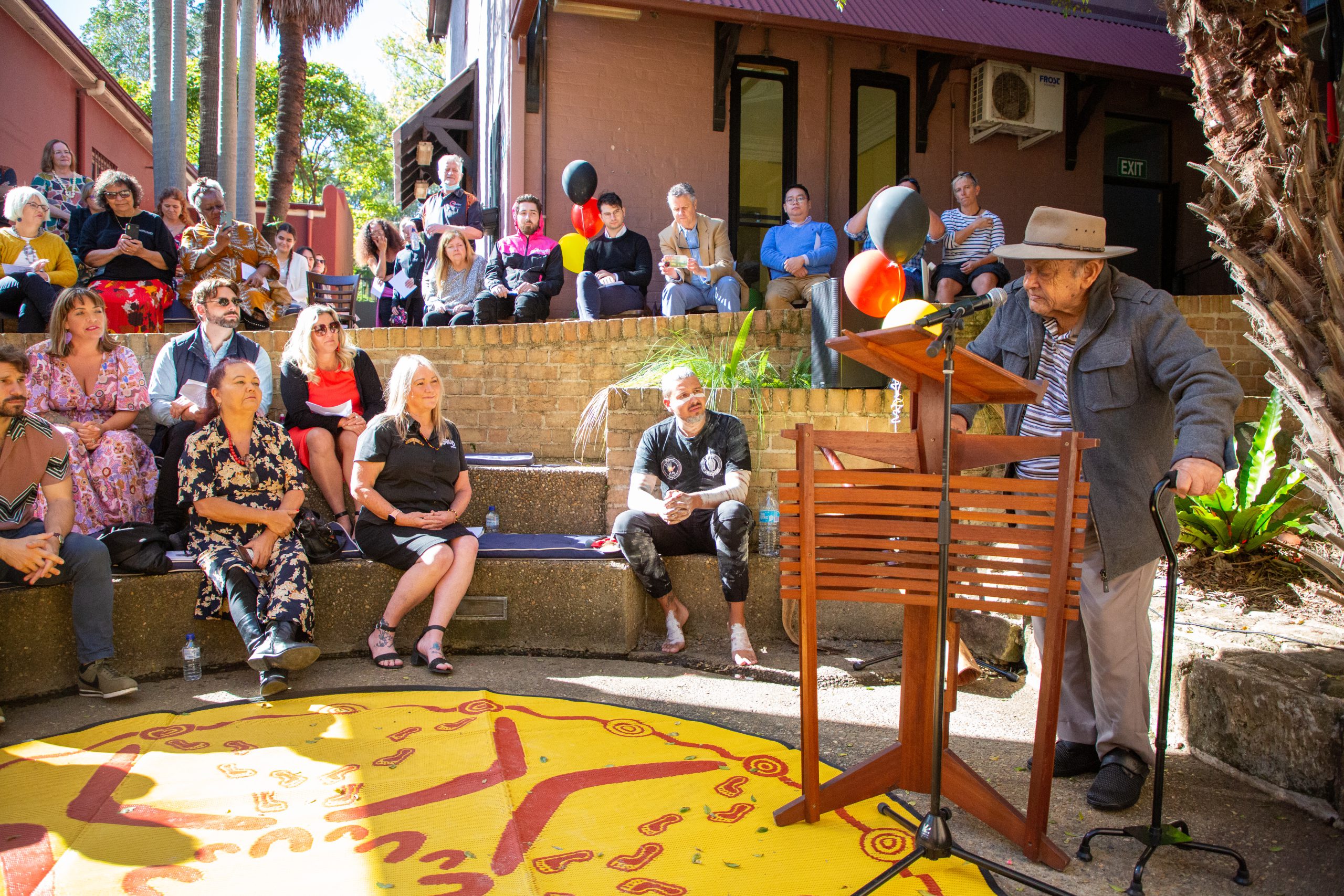
Tranby’s campus underwent renovations through funding from Aboriginal Affairs NSW, to include a state-of-the-art oral history recording studio, a video conference room, a new library and a retail shop (where resident partner Welcome to Country now resides).
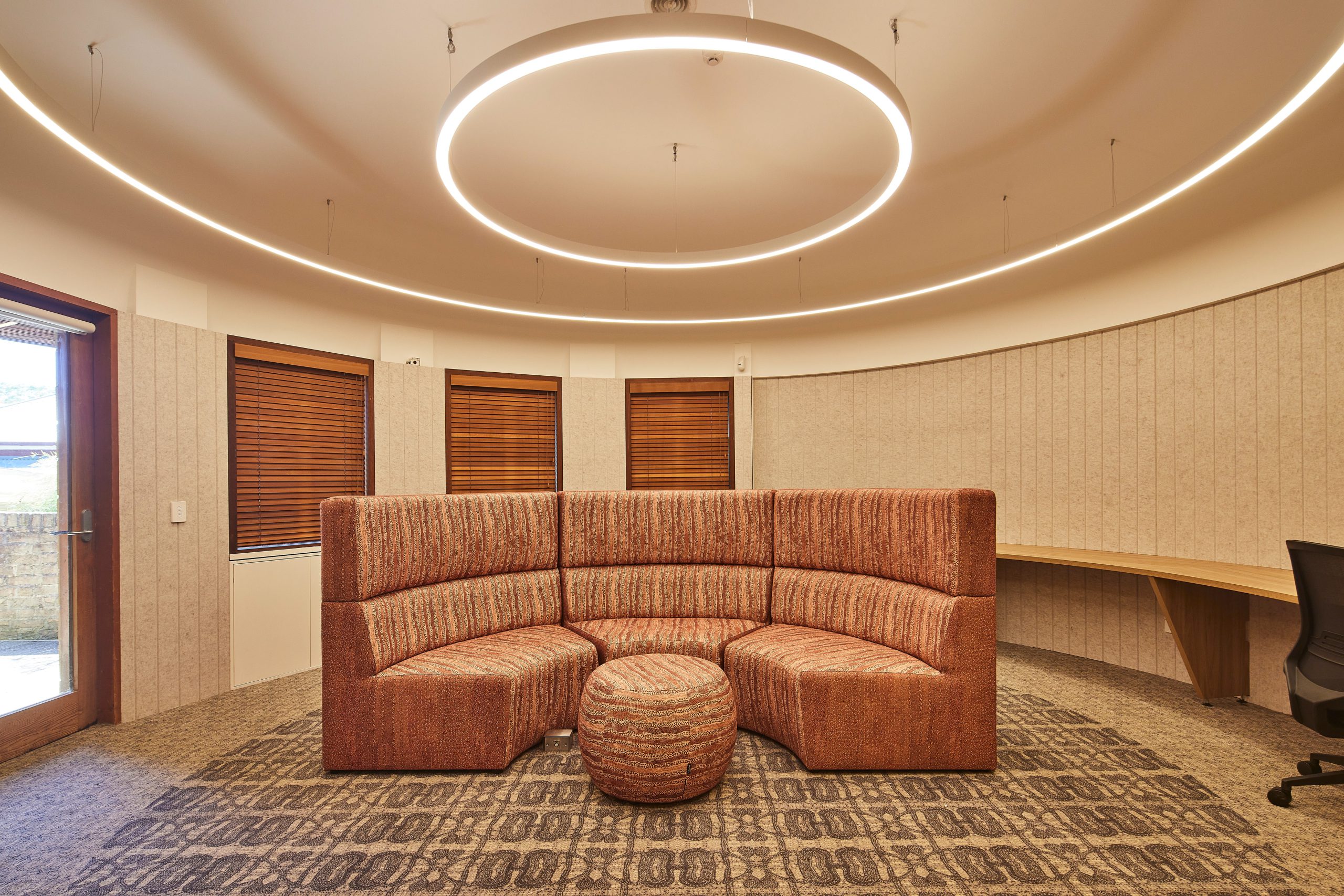
Tranby launched the National Indigenous Oral History Centre and Keeping Place project to support the digital preservation of generational knowledge. The Digital Dilly Bag was also established, creating a safe digital data hub for the storage and preservation of Aboriginal and Torres Strait Islander peoples’ data in a culturally sensitive manner. Tranby welcomed the team from Welcome to Country, a First Nations not-for-profit social enterprise, as a resident partner.
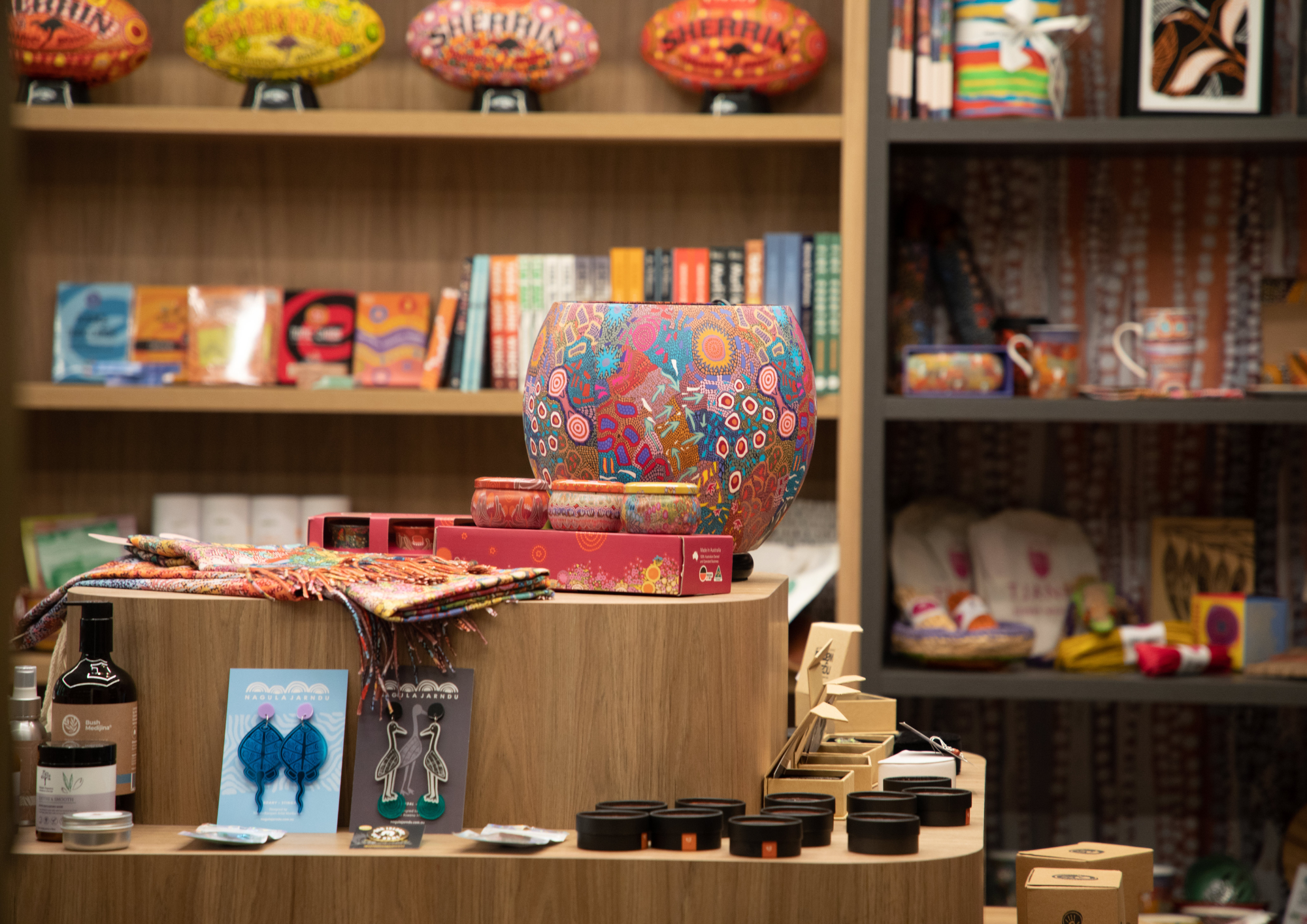
Tranby celebrated five years of Yanalangami: Strong Women, Strong Communities. Tranby expanded the Enterprise Hub of Aboriginal organisations sharing our campus including Embrace Tech, Koori Kinnections, artist-in-residence Thea Anamara Perkins and Djali House Productions.
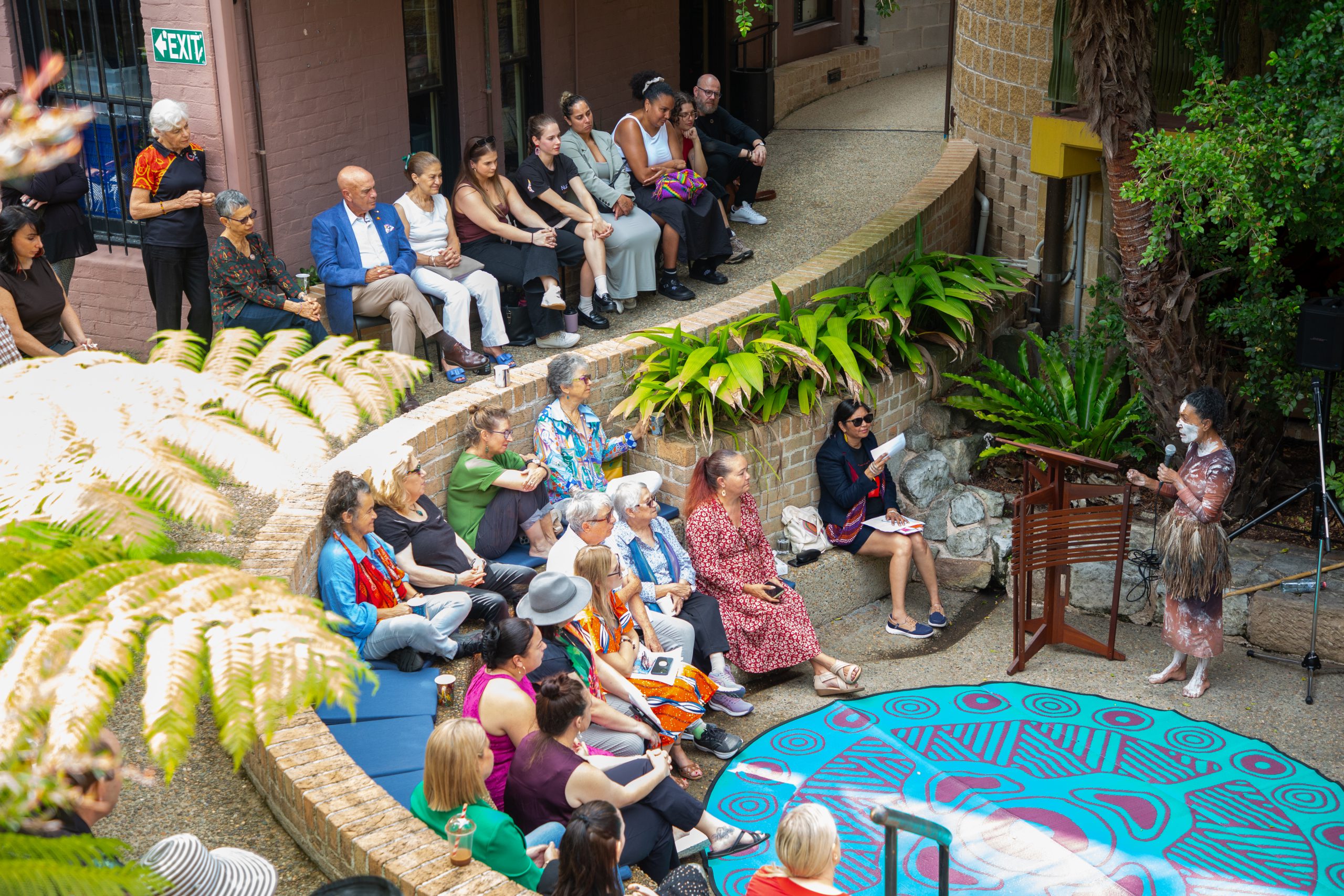
2027 and Beyond
Tranby celebrates 70 years of making positive change for Mob. The anniversary marks decades of commitment to Aboriginal and Torres Strait Islander adult education, community empowerment and social advocacy.